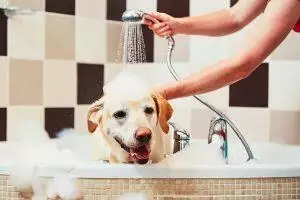
Regular grooming isn’t just about keeping your dog looking good — it’s a fundamental part of preventive healthcare. Grooming sessions allow you to spot skin problems, lumps, parasites, and dental issues early, potentially saving hundreds in vet bills. Yet most UK dog owners only groom when their dog starts to smell or matt.
- The 5 Pillars of Dog Grooming
- •1. Coat Care & Brushing
- •2. Bathing
- •3. Dental Care
- •4. Ear Cleaning
- •5. Nail Trimming
- Grooming Schedule by Breed Type
- When to See a Professional Groomer
- Frequently Asked Questions
- •How often should I groom my dog?
- •Can I use human shampoo on my dog?
- •My dog hates being groomed — what can I do?
This comprehensive guide covers every aspect of home grooming, from basic brushing routines to professional-level techniques, with breed-specific advice for everything from smooth-coated Staffies to high-maintenance Poodle crosses.
The 5 Pillars of Dog Grooming
1. Coat Care & Brushing
Brushing is the foundation of grooming. It removes dead hair, distributes natural oils, prevents matting, and stimulates blood flow to the skin. How often you brush depends entirely on coat type:
| Coat Type | Breeds | Brushing Frequency | Tool |
|---|---|---|---|
| Smooth/Short | Staffie, Whippet, Boxer | Weekly | Rubber curry brush |
| Double Coat | Labrador, Husky, German Shepherd | 2-3x weekly (daily during shedding) | Undercoat rake + slicker brush |
| Long/Silky | Cavalier King Charles, Shih Tzu | Daily | Pin brush + wide-tooth comb |
| Wiry | Border Terrier, Schnauzer | 2-3x weekly | Stripping knife or slicker brush |
| Curly/Wool | Cockapoo, Poodle, Bichon | Daily (non-negotiable) | Slicker brush + dematting comb |
Pro tip: Always brush before bathing. Water tightens mats, making them impossible to remove without cutting.
2. Bathing
Most dogs only need a bath every 4-8 weeks unless they’ve rolled in something unpleasant. Over-bathing strips the natural oils that protect skin and coat. When you do bathe, use a dog-specific shampoo — human shampoo has the wrong pH (human skin is pH 5.5, dogs are pH 6.5-7.5) and can cause dryness and irritation.
For a complete step-by-step bathing guide, see our article on how to bathe your dog properly.
3. Dental Care
Dental disease affects 80% of dogs over age 3. Daily brushing with an enzymatic dog toothpaste is the gold standard, but even 3x weekly makes a significant difference. Dental chews like collagen sticks provide supplementary cleaning between brushings.
Learn more about canine dental health in our detailed dog dental disease guide.
4. Ear Cleaning
Dogs with floppy ears (Spaniels, Basset Hounds, Beagles) are especially prone to ear infections because trapped moisture creates an ideal environment for bacteria and yeast. Check ears weekly and clean when you see waxy buildup.
For the full technique, see our guide on how to clean dog ears safely.
5. Nail Trimming
If you can hear your dog’s nails clicking on hard floors, they’re too long. Overgrown nails alter gait, cause joint pain, and can curl into the paw pad. Most dogs need trimming every 2-4 weeks, though active dogs who walk on pavement may self-maintain.
Fear of the quick: If you’re nervous about cutting too short, use a nail grinder (Dremel-style) instead of clippers — it’s slower but gives much more control.
Grooming Schedule by Breed Type
| Task | Short Coat | Medium Coat | Long/Curly Coat |
|---|---|---|---|
| Brushing | Weekly | 2-3x/week | Daily |
| Bathing | Every 8 weeks | Every 6 weeks | Every 4 weeks |
| Teeth | 3-7x/week | 3-7x/week | 3-7x/week |
| Ears | Monthly | Fortnightly | Weekly |
| Nails | Every 3-4 weeks | Every 2-3 weeks | Every 2-3 weeks |
| Professional Groom | Optional | Every 8-12 weeks | Every 6-8 weeks |
When to See a Professional Groomer
Professional grooming is recommended for breeds with continuously growing coats (Poodles, Cockapoos, Bichons), dogs who need deshedding treatments, and any time severe matting has occurred. In the UK, expect to pay £30-60 for a full groom depending on breed size and coat condition.
Frequently Asked Questions
How often should I groom my dog?
Basic grooming (a quick brush and health check) should happen weekly for all breeds. Full grooming sessions (bath, teeth, ears, nails) should happen on the schedule above based on coat type. The key is consistency — a little daily maintenance prevents big problems.
Can I use human shampoo on my dog?
No. Human shampoo has a pH of 5.5, while dog skin is pH 6.5-7.5. Using human products disrupts the acid mantle, leading to dry, irritated skin and increased vulnerability to bacteria. Always use a dog-specific shampoo.
My dog hates being groomed — what can I do?
Start with very short sessions (30 seconds of brushing) paired with high-value treats. Gradually increase duration over weeks. Use a lick mat smeared with peanut butter during grooming to create positive associations. Never force or restrain a panicking dog — this creates lasting fear.
Reviewed by Dr. Sarah Jenkins, MRCVS
Dr. Jenkins is a fully practicing veterinary surgeon in the UK with over 15 years of clinical experience in small animal medicine and canine behaviour. She reviews and verifies our health content to ensure medical accuracy.