
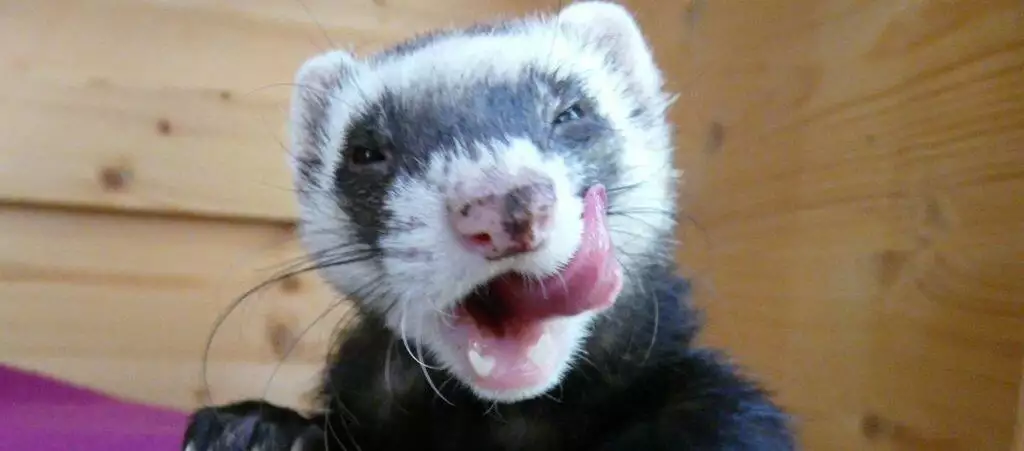
Ferrets are obligate carnivores with specific nutritional needs that differ significantly from dogs and cats. Getting their diet right is critical — the wrong food can cause insulinoma, bladder stones, and malnutrition. In this updated 2026 guide, we review the best ferret food available in the UK, covering both commercial kibble and raw feeding options, with welfare-based recommendations from the RSPCA and PDSA.
What Do Ferrets Need in Their Diet?
| Nutrient | Ideal Range | Why |
|---|---|---|
| Animal protein | 32-40% | Obligate carnivores — need meat-based protein |
| Animal fat | 15-30% | Primary energy source, coat health |
| Fibre | <3% | Short digestive tract can’t process fibre |
| Carbohydrates | As low as possible | Can cause insulinoma and obesity |
Important: The RSPCA emphasises that ferrets should never be fed dog food, which has too much vegetable protein and carbohydrate. Cat food can work in emergencies, but dedicated ferret food or raw meat is always preferable.
Best Ferret Kibble Compared
| Brand | Protein % | Fat % | Fibre % | First Ingredient | Price (per kg) |
|---|---|---|---|---|---|
| Wysong Epigen 90 | 62% | 15% | 3% | Chicken | £12-15 |
| Oxbow Essentials Ferret | 38% | 18% | 3.5% | Chicken | £8-10 |
| Science Selective Ferret | 36% | 19% | 3% | Chicken | £7-9 |
| Vitalin Ferret | 35% | 17% | 3% | Poultry | £5-7 |
| Dr John’s Merlin | 34% | 16% | 3% | Poultry | £5-7 |
Top Ferret Kibble Reviews
1. Wysong Epigen 90 — Best Overall
Wysong Epigen 90 is the gold standard ferret kibble worldwide. At 62% protein (almost entirely animal-sourced), it exceeds all competitors. The starch-free formula includes prebiotics and probiotics for digestive health — important for ferrets’ short, fast digestive tracts. The only downside is availability and price in the UK: it’s imported from the US and costs £12-15/kg. Many ferret owners buy in bulk online. Ideal for ferrets on a mixed kibble/raw diet.
2. Oxbow Essentials Ferret — Best UK-Available
Oxbow is the easiest top-quality ferret food to buy in the UK, stocked at most specialist pet shops. At 38% protein and 18% fat, it meets recommended nutritional profiles well. Chicken is the first ingredient, and the formula avoids corn, wheat, and artificial preservatives. At £8-10/kg, it’s the best balance of quality, availability, and price for UK ferret owners.
3. Science Selective Ferret — Best Budget
Science Selective is made by Supreme Pet Foods (a UK company) and is widely available at Pets at Home and online retailers. At 36% protein, it meets minimum requirements. Some ferret owners criticise the inclusion of rice as a carb source, but the overall nutritional profile is solid for a budget option at £7-9/kg.
Raw Diet for Ferrets UK
Many UK ferret owners feed a raw diet that mimics the ferret’s natural prey, following the Frankenprey model:
| Component | Percentage | Examples |
|---|---|---|
| Muscle meat | 80% | Chicken, turkey, rabbit, lamb |
| Raw bone | 10% | Chicken wings, necks, ribs |
| Organ meat (liver) | 5% | Chicken liver, lamb liver |
| Other secreting organs | 5% | Kidney, heart, spleen |
Pros of Raw Feeding
- Most biologically appropriate diet for ferrets
- Healthier teeth (raw bone cleans naturally)
- Healthier coat, less smell, firmer stools
- No carbohydrates — reduces insulinoma risk
Cons of Raw Feeding
- Requires careful balancing (unbalanced raw = dangerous)
- Time-consuming preparation and storage
- Bacterial risk if handled improperly
- More expensive than kibble for most UK owners
UK Raw Ferret Food Suppliers
- Kiezebrink — Specialist raw pet food supplier offering whole prey (chicks, mice) and minced raw mixes
- DAF (Dogs and Ferrets) — Raw mince rolls available at many UK pet shops
- Supermarkets — Plain chicken, turkey mince, and lamb heart from Tesco, Aldi, or Lidl work well as muscle meat
Foods to Avoid
| Avoid ❌ | Why |
|---|---|
| Dog food | Too much vegetable protein, too low in fat |
| Fruit and vegetables | Ferrets cannot digest plant fibre |
| Dairy | Lactose intolerant |
| Chocolate, raisins, avocado | Toxic |
| Cat food (long-term) | Adequate short-term but lacks ferret-specific nutrition |
| Grain-based treats | High carb = insulinoma risk |
FAQs
Can ferrets eat cat food?
High-quality kitten food (like Iams kitten or Scrumbles) can work as a temporary substitute or supplement, as it’s higher in protein and fat than adult cat food. However, long-term cat food feeding lacks ferret-specific nutrients and often contains too much carbohydrate. Use dedicated ferret food whenever possible.
How often should I feed my ferret?
Ferrets have very fast metabolisms and short digestive tracts (food passes through in 3-4 hours). They need access to food throughout the day — most UK owners leave kibble available 24/7 and offer raw meals 1-2 times daily. The PDSA recommends feeding small amounts frequently rather than large meals.
Can I mix kibble and raw food?
This is debated in the UK ferret community. Some owners successfully mix both without issues. The concern is that kibble and raw digest at different rates, potentially causing digestive upset. If you want to combine, offer them as separate meals rather than mixing in the same bowl. Many UK ferret owners feed kibble as a base with raw meals offered separately 1-2 times daily.
Understanding Ferret Nutritional Needs
Ferrets are obligate carnivores — even more strictly so than cats. Their digestive tract is extremely short (food passes through in just 3–4 hours), which means they cannot digest plant matter, fibre, or complex carbohydrates. Every calorie must come from highly digestible animal protein and animal fat.
Ideal macronutrient profile:
- Protein: 32–40% (must be animal-based — ferrets cannot utilise plant proteins)
- Fat: 15–20% (animal-based)
- Fibre: below 3% (higher fibre causes digestive problems)
- Carbohydrates: as low as possible (high-carb diets are linked to insulinoma — pancreatic cancer)
Raw vs. Kibble: Which Is Right for Your Ferret?
| Factor | Raw Diet | Kibble Diet |
|---|---|---|
| Nutritional quality | Excellent (when balanced) | Good (if high-quality brand) |
| Convenience | Low (meal prep, freezer space needed) | High (free-feed from bowl) |
| Cost/month | £15–£30 | £10–£20 |
| Dental health | Good (bone cleans teeth) | Poor (kibble promotes tartar) |
| Stool quality | Small, less odour | Larger, stronger odour |
Foods Ferrets Must Never Eat
- Fruit and vegetables — Ferrets cannot digest plant fibre. Even small amounts cause digestive upset and can contribute to intestinal blockages.
- Dairy products — Ferrets are lactose intolerant.
- Dog food — Too low in protein and fat, and often contains plant proteins that ferrets can’t utilise.
- Grain-heavy cat food — While high-quality kitten kibble can work, grain-heavy adult cat food is not suitable.
- Sugary treats — Including raisins, chocolate, and xylitol. High sugar intake is directly linked to insulinoma (pancreatic cancer), which is the #1 cause of death in ferrets over 3 years old.
Frequently Asked Questions
Can ferrets eat cat food?
High-quality, grain-free kitten food (not adult cat food) can be used as a kibble option for ferrets, as kitten food has higher protein and fat levels. However, ferret-specific food formulated for their unique nutritional needs is always preferable. Never use adult cat food as the primary diet — it’s too low in protein and fat.
How often should ferrets eat?
Ferrets have a very rapid digestive transit (3–4 hours), so they need to eat frequently — typically 8–10 small meals per day. This is why kibble-fed ferrets should always have food available (free-feeding). Raw-fed ferrets typically eat 2–3 meals per day but may need more frequent offerings.
Do ferrets need supplements?
If feeding a balanced raw diet (80/10/5/5 ratio) or a high-quality complete kibble, supplements are generally unnecessary. However, ferrets over 3 years old may benefit from salmon oil (omega-3 for coat health) and some vets recommend egg yolk weekly for biotin. Always consult an exotic vet before adding supplements.