
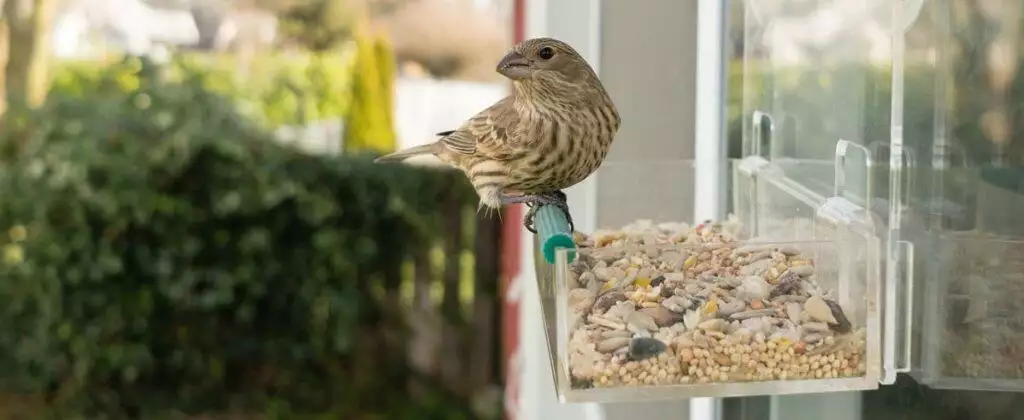
A good bird feeder transforms your garden into a wildlife haven — but choose poorly and you’ll be feeding squirrels instead. We’ve compared the best UK wild bird feeders for 2026, covering squirrel-proof designs, different food types, and essential hygiene advice from the RSPB and BTO.
Best Wild Bird Feeders at a Glance
| Model | Type | Squirrel-Proof? | Food Type | Material | Price |
|---|---|---|---|---|---|
| RSPB Squirrel Buster Classic | Hanging seed | ✅ Weight-activated | Seeds, hearts | Metal + polycarbonate | £25–£35 |
| Roamwild Pest Off | Hanging seed | ✅ Auto-hatch | Seeds, hearts | Metal | £20–£30 |
| Nuttery Hexihaus | Caged fat ball | ✅ Cage design | Fat balls, suet | Powder-coated steel | £18–£28 |
| Gardman Peanut Feeder | Mesh peanut | ❌ | Peanuts | Metal mesh | £6–£12 |
| Perky-Pet Window Feeder | Window-mounted | N/A | Seeds | Clear acrylic | £10–£18 |
| Ground Feeding Tray | Ground level | ❌ | Mixed seed, fruit | Wood/metal mesh | £8–£15 |
Types of Bird Feeder Explained
| Feeder Type | Best Food | Birds Attracted | Pros |
|---|---|---|---|
| Seed feeder (tube) | Sunflower hearts, mixed seed | Tits, finches, sparrows | Most versatile, easy to clean |
| Peanut feeder (mesh) | Whole peanuts | Tits, woodpeckers, nuthatches | Metal mesh prevents choking hazards |
| Fat ball feeder (cage) | Suet balls, fat cakes | Tits, starlings, robins | High-energy winter food delivery |
| Nyjer feeder | Nyjer (thistle) seed | Goldfinches, siskins | Specialist finch attraction |
| Ground tray | Mixed seed, fruit, mealworms | Blackbirds, thrushes, robins, dunnocks | Attracts ground-feeding species |
| Window feeder | Seeds, hearts | Tits, robins | Close-up viewing, great for flats |
Seasonal Feeding Guide
| Season | Best Foods | Avoid |
|---|---|---|
| Winter | Sunflower hearts, suet balls, peanuts, nyjer seed, grated cheese | Dry bread (low nutrition, fills birds up) |
| Spring | Mealworms, sunflower hearts, soft fruit — avoid whole peanuts (choking risk for chicks) | Whole peanuts (not in mesh), dry hard foods |
| Summer | Mealworms, no-melt suet, seeds, fresh fruit (cut small) | Standard suet (melts and goes rancid) |
| Autumn | Seeds, suet, peanuts, berries — birds preparing for winter | Mouldy food |
Our Top Pick: RSPB Squirrel Buster Classic
The RSPB Squirrel Buster remains our top recommendation. Its patented weight-activated mechanism automatically closes the feeding ports when anything heavier than a small bird (approx. 70g) lands on it. It’s endorsed by the RSPB, comes with a lifetime guarantee, and is designed for easy disassembly and cleaning — crucial for preventing disease spread.
Feeder Hygiene: Critical Advice
The BTO and RSPB emphasise that dirty feeders spread diseases like trichomonosis, which has caused significant declines in Greenfinch populations. Essential hygiene practices:
- Clean feeders weekly with warm soapy water and mild disinfectant
- Provide fresh water daily and clean water containers regularly
- Rotate feeder positions to prevent droppings accumulating underneath
- Remove uneaten food after 24–48 hours
- If you see a sick bird, stop feeding immediately, clean all feeders thoroughly, and store them for 2 weeks
Frequently Asked Questions
What is the best bird feeder to avoid squirrels?
A weight-activated feeder like the RSPB Squirrel Buster is the most effective. It automatically closes food ports when a squirrel’s weight triggers the mechanism. Caged feeders (like the Nuttery) also work well.
Where should I put a bird feeder in my garden?
Place feeders in a quiet, sheltered spot about 2 metres from cover (hedges, shrubs) so birds can retreat from predators, but not directly next to dense cover where cats could ambush. Avoid windswept, fully exposed positions.
Should I feed birds all year round?
Yes. The RSPB recommends year-round feeding, adjusting food types seasonally. Winter benefits birds most (natural food is scarce), but summer feeding helps parents during the energy-intensive nesting season.
What should I not feed wild birds?
Avoid salted food (dehydrates birds), mouldy food, loose peanuts in spring/summer (choking risk for chicks), milk, cooked porridge, and bread (low nutrition, fills them up). Avoid fat balls in plastic netting — birds can get tangled.
Quick Comparison
| Feeder | Type | Attracts | Squirrel-Proof | Price |
|---|---|---|---|---|
| Jacobi Jayne I Love Robins | Seed feeder | Robins, tits, finches | No | £12–£18 |
| Gardman Heavy Duty Seed | Tube feeder | Tits, finches, sparrows | No | £8–£14 |
| Roamwild Squirrel-Proof | Tube feeder | All small birds | Yes (weight-activated) | £25–£40 |
| Droll Yankee Flipper | Tube feeder | All small birds | Yes (spinning perch) | £60–£80 |
| Standard Fat Ball Feeder | Cage feeder | Tits, woodpeckers | No | £5–£10 |
| Window Suction Feeder | Tray feeder | Robins, tits | No | £8–£15 |
Best Feeds by Bird Species
| Bird | Favourite Food |
|---|---|
| Blue tit / Great tit | Sunflower hearts, fat balls, peanuts |
| Robin | Mealworms, grated cheese, suet |
| Goldfinch | Nyjer seed (specialist tube feeder) |
| Blackbird | Raisins, apples, mealworms (ground tray) |
| Woodpecker | Fat balls, suet blocks, peanuts |
| Sparrow | Seed mix, sunflower hearts |
Squirrel-Proof Feeders
If squirrels regularly empty your feeders, invest in a weight-activated feeder. These have spring-loaded perches that close the feeding ports when a heavy animal (squirrel) sits on them, but remain open for lighter birds. The Roamwild Squirrel-Proof (£25–£40) is the best value option — it’s genuinely effective and easy to refill. The premium choice is the Droll Yankee Flipper (£60–£80), which spins squirrels off with a motorised perch.
RSPB Hygiene Guidelines — Critical
Dirty bird feeders spread fatal diseases including Trichomonosis (which has caused a 60% decline in UK greenfinch populations) and Salmonellosis. Follow these rules:
- Clean feeders weekly — scrub with a 5% disinfectant solution (or dedicated bird feeder cleaner), rinse thoroughly, and allow to dry completely before refilling
- Rotate feeder positions — move feeders to a new spot every month to prevent droppings accumulating underneath
- Remove stale food — never top up old food. Empty and refill completely.
- If you see sick birds (fluffed up, lethargic, crusty beak) — stop feeding for 2–4 weeks to disperse the flock and break the disease cycle. Report to the RSPB.
- Avoid flat bird tables — open tables where birds stand in their food are the worst design for disease transmission. Tube feeders are far safer.