
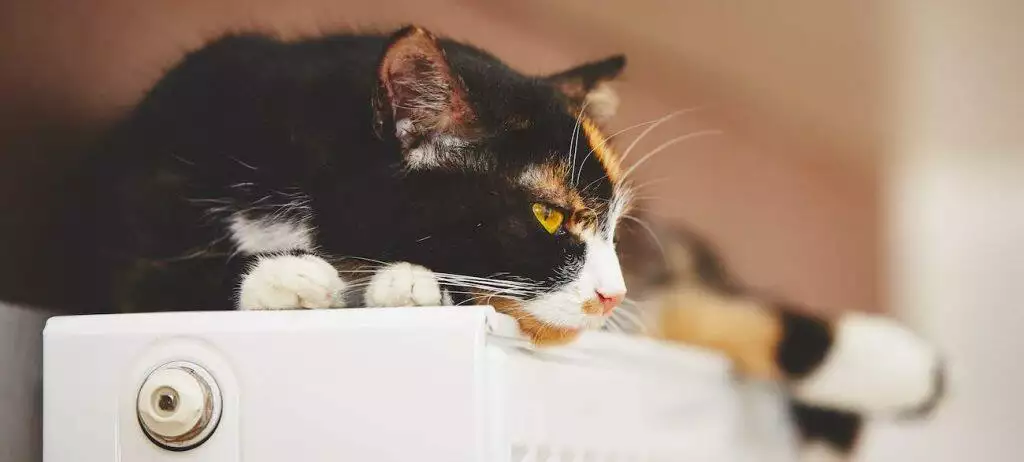
A cat radiator bed gives your feline a warm, elevated perch that uses free heat from your central heating — no electricity needed. In this updated 2026 guide, we review and compare the best radiator beds, heated cat beds, and shelf-style perches available in the UK, helping you pick the perfect cosy spot for your cat.
Best Cat Radiator Beds Compared
| Product | Type | Fits Radiators | Washable | Price Range |
|---|---|---|---|---|
| Rainberg Cat Radiator Bed | Hammock | 9-12cm | Machine (30°C) | £15-20 |
| Petlicity Deluxe Radiator Bed | Hammock | Standard | Machine | £12-18 |
| Navaris Basket Radiator Bed | Basket | 9-11cm | Machine (30°C) | £18-25 |
| Ossian Deluxe Faux Fur | Hammock | Standard | Machine | £10-15 |
| SIMPLY 4 PETS Hammock | Hammock | Standard | Machine | £12-16 |
Top Cat Radiator Bed Reviews
1. Rainberg Cat Radiator Bed — Best Overall
The Rainberg consistently ranks as the best cat radiator bed in the UK thanks to its plush fleece material, adjustable brackets (fitting radiators 9-12cm wide), and sturdy metal frame. The removable plush knit cover is machine washable at 30°C, making hygiene easy. Available in stylish colours that blend with modern interiors, it holds cats up to 5kg comfortably. Assembly takes under 5 minutes with no tools required. At around £15-20, it offers excellent value.
2. Petlicity Deluxe Cat Radiator Bed — Best Budget
Petlicity offers several radiator bed models at impressive prices. The Deluxe version features a strong metal frame with a collapsible design for easy storage, lined with luxurious faux fur. It’s suitable for cats and small pets up to 5kg and the removable cover is machine washable. The frame hooks securely over standard UK radiators. At just £12-18, it’s the most affordable quality option available.
3. Navaris Basket Radiator Bed — Best Enclosed
If your cat prefers a more enclosed space, the Navaris basket style sits securely on top of the radiator with an adjustable metal frame fitting 9-11cm radiators. The cosy interior retains heat beautifully, and the removable cushion and basket are machine washable at 30°C. Rubber-tipped ends protect your radiator from scratching.
Heated Cat Beds (Non-Radiator Alternatives)
Not every room has a radiator in the right spot — or your cat may prefer a bed on the floor. These heated alternatives provide consistent warmth:
Petmate Self-Warming Cat Bed
Uses thermal technology (similar to space blankets) to reflect your cat’s own body heat back — no electricity needed. Great for eco-conscious owners. Machine washable cover. Prices start around £15-20.
K&H Thermo-Kitty Heated Bed
Features a thermostatically controlled electric heating pad that only activates when your cat lies on it. Maintains a safe, gentle warmth without overheating. The pad draws just 4 watts of power, costing pennies to run. Machine washable cover with supportive foam walls. Premium option at £40-60.
SnuggleSafe Microwave Heatpad
A plug-free option that provides warmth for up to 10 hours after microwaving. Place it beneath your cat’s existing bed or blanket. Particularly useful for elderly cats or kittens. Around £12-15 and reusable indefinitely.
How to Choose the Right Cat Radiator Bed
- Measure your radiator — Most beds fit standard UK panel radiators (9-12cm wide). Column radiators may need a shelf-style mount instead.
- Weight limit — Most hammock styles hold up to 5kg. Larger cats (British Shorthairs, Maine Coons) may need a reinforced frame.
- Washability — Choose removable, machine-washable covers for hygiene. Cat hair accumulates quickly on fleece and faux fur.
- Your cat’s preference — Open hammocks suit confident cats; enclosed baskets suit shy or anxious cats.
FAQs
Are cat radiator beds safe?
Yes. Cat radiator beds use the ambient heat from your radiator — they don’t get hot enough to burn. The metal frame distributes weight evenly, and rubber-tipped hooks prevent radiator damage. Always check the bed regularly for wear and ensure it’s securely attached.
Will my cat use a radiator bed?
Most cats love radiator beds, as they provide warmth and a high vantage point — two things cats naturally seek out. Place a familiar blanket or item of your clothing on the bed initially to encourage use. Cats that sleep on windowsills or near heat sources typically adopt radiator beds quickly.
How do I clean a cat radiator bed?
Most models have a removable fleece or faux fur cover that’s machine washable at 30°C. Wash weekly during heavy use (winter months) and air-dry the cover rather than tumble-drying to preserve the plush texture. The metal frame can be wiped with a damp cloth.
Can I leave a cat radiator bed on when the heating is off?
Absolutely. The bed simply acts as an elevated perch when the heating is off — many cats use them year-round for the height advantage alone. The fleece material retains some warmth from your cat’s own body heat.
Why Cats Love Radiator Beds
Cats are thermoregulatory experts — they actively seek out the warmest spot in any room. Their thermoneutral zone (the temperature range where they don’t need to expend energy to maintain body temperature) is 30–36°C, significantly higher than the typical UK home temperature of 18–21°C. This is why your cat constantly migrates to radiators, laptops, sunny patches, and your lap.
Radiator beds are particularly beneficial for:
- Senior cats — Older cats with arthritis benefit enormously from gentle, consistent warmth that eases joint stiffness.
- Thin or underweight cats — Less body fat means less insulation. Warmth reduces their metabolic energy expenditure.
- Hairless or short-haired breeds — Sphynx, Devon Rex, and Cornish Rex cats are especially cold-sensitive.
- Winter months — When UK homes are cooler overnight, a radiator bed provides a warm retreat even when the heating cycles off (residual heat from the radiator lasts several hours).
What to Look for When Buying
- Weight capacity — Check the maximum weight rating. Most radiator beds support up to 5–6kg, but larger cats (Maine Coons, British Shorthairs) may need reinforced frames rated for 8kg+.
- Frame material — Metal frames (powder-coated steel) are more durable and stable than plastic. They also distribute weight more evenly.
- Cover material — Removable, machine-washable covers are essential for hygiene. Look for fleece or faux sheepskin for maximum comfort.
- Fitting system — Most beds hook over the top of a standard panel radiator. Check that the hooks are adjustable and that the bed fits your specific radiator type (column radiators, convector radiators, and designer radiators may not be compatible).
- Stability — The bed must not rock or slide when the cat jumps on/off. Anti-slip rubber grips on the hooks are a significant plus.
Safety Considerations
- Heat regulation — A good radiator bed sits 2–5cm away from the radiator surface, providing warmth without direct contact to prevent overheating. Cats self-regulate and will move if too warm, but ensure the bed design allows airflow.
- Thermostat — Never leave radiators on maximum with a cat bed attached. Normal household heating (18–21°C room temperature) is perfectly comfortable. If your radiator runs very hot, consider a thermostatic radiator valve (TRV) to limit the temperature.
- Secure mounting — Test that the bed is firmly attached before letting your cat use it. A bed that falls (especially with a cat on it) can cause injury and create a lasting fear of the bed.
Frequently Asked Questions
Are radiator beds safe for cats?
Yes — when properly fitted and used with normal household heating settings. The bed should not rest directly against the radiator surface, and your cat should always be able to move away if they get too warm. Millions of cats across the UK have used radiator beds safely for decades.
Will a radiator bed fit my radiator?
Most radiator beds are designed for standard UK panel radiators (the flat, rectangular type found in most homes). They may not fit column radiators, cast iron radiators, or designer radiators. Always check the hook width and depth measurements against your radiator before purchasing.
How do I get my cat to use a radiator bed?
Place the bed on a radiator your cat already likes to sit near. Put a worn T-shirt or blanket with your scent (or their scent) on the bed. Sprinkle a tiny amount of catnip. Most cats discover and adopt the bed within 1–3 days — once they realise it’s warm, they’ll rarely leave it during winter.
Can I use a radiator bed in summer?
Most radiator beds can stay attached year-round. When the heating is off, the bed simply functions as an elevated perch — many cats continue to use it for the raised vantage point even without warmth. Some beds can also be removed and used free-standing on a shelf or window sill.