
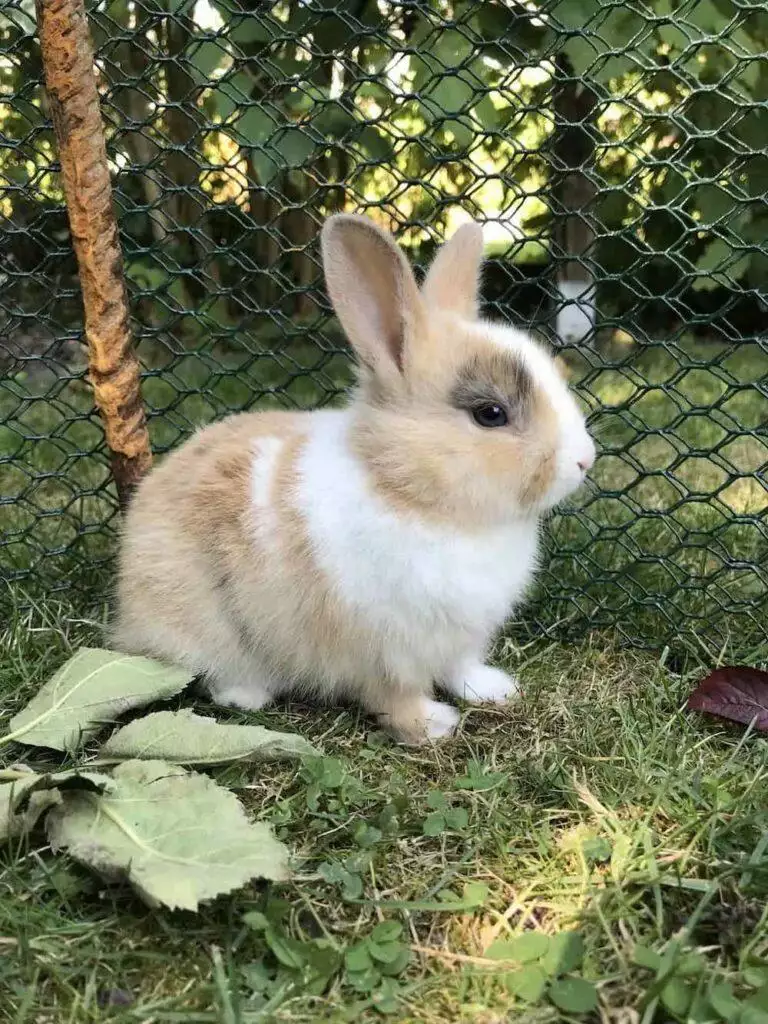
Gone are the days when pet rabbits were kept locked away in a hutch outside all day. It’s crucial that pet bunnies everywhere are given ample room to hop, jump, and play around! So, rabbit owners should provide their cotton-tailed clan members with a rabbit run.
Rabbits should ideally spend as much time as possible outside. Some experts say this is three hours of playtime at the very least. A rabbit can have free rein in a secure back garden or at the very least a fenced-off section. But this may be risky if there are predators about, or if you don’t want your garden destroyed.
A rabbit run is designed to provide a safe and secure area for them to explore, without them getting lost or getting harmed by other wildlife. Ideally, you want a rabbit run that can attach to their hutch. This allows them to come and go as they please in the day.
The Size Rule Most Runs Don’t Meet
Here’s the honest bit that most “best rabbit run” lists skip: the Rabbit Welfare Association’s “A Hutch Is Not Enough” standard calls for a total enclosure footprint of at least 3m x 2m, with 1m of height — and almost no single off-the-shelf run reaches that on its own. A typical quality metal run measures around 2m x 1m. That doesn’t make them useless; it means you should plan a run as a module: attach it to the hutch, combine two units, or use it as the secure core of a larger fenced area. Judge every product below against that 3m x 2m target, not against its marketing photos.
Beyond size, look for substantial materials to prevent escapes or predation, enough height for your rabbit to stand upright without their ears touching the bars, protection against burrowing underneath, and placement out of direct sunlight.
Our Rabbit Run Picks (Live UK Prices)
1. Kerbl Metal Run with Escape Barrier — Best Secure Run
A four-sided galvanised metal run (200 x 100 x 60 cm) with the feature that matters most for rabbits: a dedicated escape barrier that prevents burrowing underneath, plus ground stakes for anchoring. It has an opening roof with four access doors, a removable sun-protection shield, and — crucially for the RWAF size target — multiple units can be combined into a larger enclosure. £70.39 at the time of our check (27 August 2026), rated 4.3/5 by owners, who describe it as escape-proof even for larger breeds.
2. Hutch-and-Run Combinations and Walk-In Pens
If you’re starting from scratch, a hutch with an integrated run (or a walk-in pen you can stand up in) gets you closer to the RWAF footprint in one purchase — and makes cleaning dramatically easier on your back. Stock changes seasonally, so rather than recommend a model that may vanish next month, browse the current range and apply the 3m x 2m test from above.
Browse all rabbit runs & enclosures at Zooplus UK →
As an affiliate, we may earn a commission if you purchase through our links, at no extra cost to you. Part of our Rabbit Care Guide — see also our Best Rabbit Hutch guide.
How big should a rabbit run be?
The Rabbit Welfare Association’s minimum standard is a 3m x 2m footprint with 1m of height for the whole enclosure (hutch plus run), for a pair of average-sized rabbits. Most single off-the-shelf runs are around 2m x 1m, so plan to attach the run to the hutch, combine two runs, or fence a larger area — and treat 60cm-high runs as unsuitable for large breeds, which need to stand fully upright.
Can rabbits stay in a run overnight?
Only if the run is genuinely predator-proof: solid or barrier-protected floor edges against burrowing foxes, welded (not twisted) wire, secure latches, and a covered sheltered section. Most lightweight runs are daytime enclosures — at night, rabbits are safest shut into a sturdy hutch or shed attached to the run.
Do rabbit runs need a floor?
Rabbits are enthusiastic diggers and foxes dig too, so unprotected grass-floor runs are an escape and predation risk if unsupervised. The safest options are an escape barrier skirt (as on the Kerbl run), mesh laid under the turf around the perimeter, or siting the run on slabs around the edges. Avoid full wire floors — they’re uncomfortable and can injure hocks.