
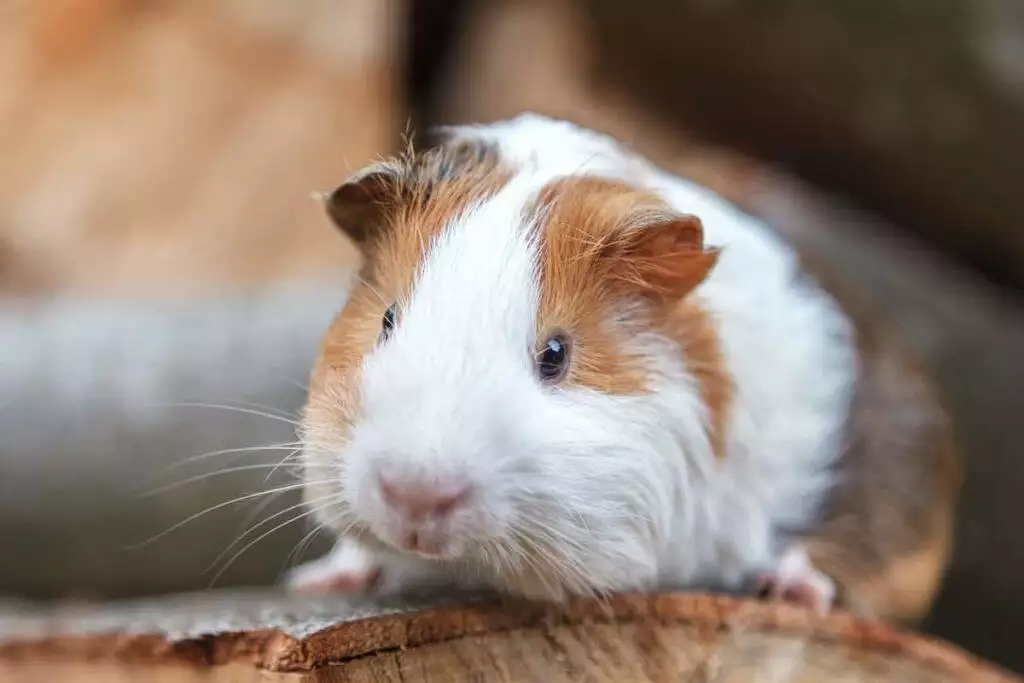
Guinea pigs are curious, social animals that need mental stimulation just as much as they need food and shelter. Without enrichment, guinea pigs can become bored, depressed, and even develop behavioural problems like barbering (chewing each other’s fur). We’ve tested and reviewed the best toys available in the UK to keep your piggies happy, healthy, and entertained.
What Toys Do Guinea Pigs Actually Need?
Guinea pigs are prey animals with specific behavioural needs. Unlike dogs or cats, they don’t “play” with toys in the traditional sense — they chew, hide, forage, and explore. The best guinea pig toys support these natural behaviours:
- Chewing — Guinea pig teeth grow continuously (2–3mm per week). They must chew to keep their teeth worn down. Without appropriate chew toys, teeth can overgrow and cause serious dental disease.
- Hiding — As prey animals, guinea pigs feel safest when they have places to retreat. Piggies without hiding spots can become chronically stressed.
- Foraging — In the wild, guinea pigs spend most of their waking hours foraging for food. Enrichment that encourages this behaviour is excellent for mental health.
- Exploring — Tunnels, ramps, and varied textures encourage guinea pigs to move around their enclosure, which is essential for physical health.
Best Guinea Pig Toys UK: Our Top Picks
1. Rosewood Naturals Trio of Fun Balls — Best Chew Toy
This set of three balls (rattan, seagrass, and water hyacinth) gives your guinea pigs varied textures to chew and roll around. All materials are 100% natural and untreated, making them completely safe for gnawing. They’re also lightweight enough for piggies to push around and toss.
Pros: Safe natural materials, encourages chewing and play, affordable (£3–£5), widely available. Cons: Smaller piggies may ignore the balls, they do get destroyed relatively quickly (which is the point!).
2. HayPigs! Circus Hidey Hut — Best Hideout
This handmade wooden hideout from UK brand HayPigs! doubles as a hay feeder — piggies can nibble hay through the slatted sides while feeling safe inside. It’s large enough for two guinea pigs and the circus-tent design is genuinely charming.
Pros: Dual-purpose (hideout + hay feeder), solid wood construction, fits 2 piggies, UK-made. Cons: Premium price (£20–£25), takes up cage space, some piggies prefer to sit on top rather than inside.
3. Rosewood Naturals Carrot Cottage — Best Budget Hideout
An edible hideout shaped like a carrot, made from woven hay and willow. Guinea pigs can hide inside and gradually eat the entire thing. It’s the ultimate “toy and snack in one” and typically lasts 2–4 weeks depending on how enthusiastic your piggies are.
Pros: Edible and safe, excellent enrichment, affordable (£5–£8), no waste — the whole thing gets eaten! Cons: Doesn’t last long, not suitable as a permanent hide (it gets demolished).
4. Small Pet Select Timothy Hay Tunnel — Best Foraging Toy
A tunnel made entirely from compressed Timothy hay. Guinea pigs can run through it, hide in it, and eat it — satisfying three behavioural needs at once. The hay is high-quality Timothy (the same grade you’d feed daily) and the tunnel walls are sturdy enough to last 1–2 weeks.
Pros: Edible first-cut Timothy hay, encourages movement and foraging, chemical-free. Cons: Pricey for what’s essentially a hay structure (£8–£12), makes a mess as piggies pull it apart, needs replacing frequently.
5. Niteangel Wooden Bridges & Ramps — Best for Enriching the Enclosure
These bendable wooden bridges can be shaped into tunnels, ramps, platforms, or partitions. They’re made from apple wood (safe for guinea pigs to chew) and add vertical dimension to flat-floored enclosures. Having different levels encourages guinea pigs to exercise and explore.
Pros: Versatile (bridge, tunnel, ramp, hide), made from safe apple wood, long-lasting, good value. Cons: Can be tricky to secure in some cage types, may need cable ties for stability.
DIY Guinea Pig Toys (Free & Easy)
Some of the best guinea pig enrichment costs nothing at all:
- Toilet roll tubes stuffed with hay — The classic DIY toy. Stuff a cardboard tube with hay, fold the ends, and let your piggies chew and forage their way in.
- Paper bags filled with forage — Brown paper bags (no handles, no ink) filled with dried herbs and hay create an excellent foraging puzzle. Piggies have to tear through the paper to reach the food.
- Cardboard boxes with multiple entrances — Cut 2–3 doorways in a small cardboard box and place it in the cage. Guinea pigs love running in and out, and it doubles as a temporary hide.
- Scatter feeding — Instead of putting pellets in a bowl, scatter them across the cage floor (on fleece or in hay). This encourages natural foraging behaviour and slows down eating.
- Veggie kebabs — Thread pieces of pepper, cucumber, and leafy greens onto a wooden skewer (blunted!) and hang it in the cage. Piggies have to stretch and work to eat their veggies.
Toys to Avoid
- Exercise balls — Dangerous for guinea pig spines and extremely stressful (discussed above).
- Exercise wheels — Unlike hamsters, guinea pigs’ spines don’t bend backwards. Running wheels cause spinal injuries.
- Plastic chew toys — Guinea pigs will ingest plastic shards, which can cause intestinal blockages.
- Painted or dyed toys — Many brightly coloured “small pet toys” use paints or dyes that are not safe for ingestion. Always choose natural, untreated materials.
- Toys with small removable parts — Bells, beads, or clips can be swallowed.
How to Rotate Toys for Maximum Enrichment
Guinea pigs, like all rodents, benefit hugely from environmental novelty. Keeping the same toys in the cage indefinitely leads to “habituation” — your piggies simply stop interacting with them. Here’s a simple rotation system:
- Keep 3–4 toys in the cage at any time (1 chew, 1 hide, 1 tunnel/bridge, 1 foraging item)
- Swap 1–2 items every Sunday — Replace a chew toy with a fresh one, move the tunnel to a different position, or introduce a new DIY toy
- Deep clean toys weekly — Wipe wooden toys with white vinegar, wash fabric items, and discard anything mouldy or heavily soiled
- Observe preferences — If a toy is barely touched after a week, retire it. If your piggies obsess over something, keep it available
Frequently Asked Questions
Do guinea pigs actually play with toys?
Not in the way dogs or cats play, but yes — guinea pigs interact with toys by chewing, nudging, hiding inside, and foraging through them. You’ll notice your piggies are more active, vocal (happy wheeks!), and relaxed when they have varied enrichment in their enclosure.
What wood is safe for guinea pigs to chew?
Apple, pear, willow, hazel, and birch woods are all safe. Avoid cedar, pine (unless kiln-dried), and any treated, painted, or stained wood. When in doubt, stick to purpose-made small animal chew toys from reputable brands.
How many toys should a guinea pig have?
Aim for 3–4 items in the cage at any time, including at least one hiding spot (essential, not optional), one chew toy, and one enrichment item (tunnel, foraging puzzle, or bridge). Rotate items weekly to maintain novelty.
Can guinea pigs play with cardboard?
Yes — plain, unprinted, untreated cardboard is safe for guinea pigs. They’ll chew it, shred it, and hide in cardboard boxes. Avoid glossy or printed cardboard, and remove any tape, staples, or glue before giving it to your piggies.