
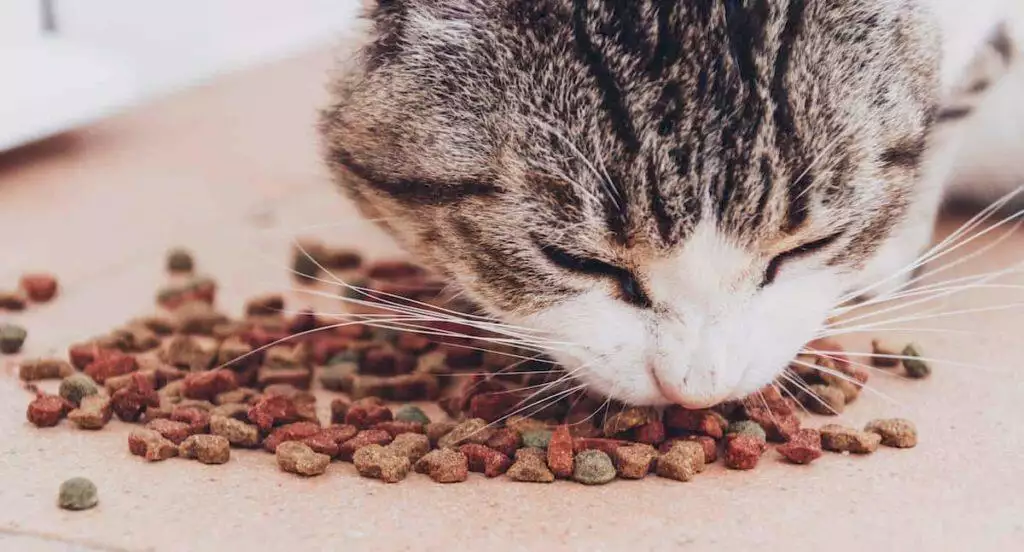
True food allergies affect around 10–15% of cats presenting with skin or gastrointestinal problems, and yet “hypoallergenic cat food” is one of the most misunderstood product categories in UK pet retail. This guide separates the science from the marketing: what food allergy actually means in cats, how to confirm it, which foods actually work, and which “hypoallergenic” claims are merely labelling.
What Is a Food Allergy in Cats? (And What Isn’t)
Food allergy in cats is an immune-mediated hypersensitivity reaction to a specific dietary protein. The immune system identifies a protein (usually chicken, beef, fish, or dairy) as a threat and responds with inflammatory reactions in the skin (itching, hair loss, miliary dermatitis) or gastrointestinal tract (chronic vomiting, diarrhoea).
Food intolerance is different — it causes similar symptoms (GI upset especially) but without immune involvement. Lactose intolerance is the most common example in cats. Both conditions can be managed dietarily, but they have different mechanisms.
What most owners call “hypoallergenic food” doesn’t require an actual allergy — many cats do better on simple, clean-ingredient diets simply because of better quality protein and fewer additives, not because of immune reactivity.
How to Confirm a Food Allergy — The Gold Standard
The PDSA, BSAVA, and most veterinary dermatologists agree on one point clearly: blood tests for food allergy in cats are not accurate. The antibody panels sold commercially (IgE or IgG-based blood tests) do not reliably correlate with clinical food allergy in cats. A positive result does not confirm allergy; a negative result does not rule it out.
The only validated method for diagnosing food allergy is a dietary elimination trial:
- Feed exclusively a novel protein or hydrolysed protein diet for a minimum of 6–8 weeks (skin reactions resolve slowly; GI reactions typically within 2 weeks)
- During the trial, the cat must eat absolutely nothing else — including treats, dental chews, table scraps, flavoured worming tablets, or flavoured medications
- If symptoms resolve: re-challenge with the original diet. If symptoms return, food allergy is confirmed
- Systematic re-introduction of individual proteins then identifies the specific allergen
Hydrolysed Protein vs Novel Protein — Key Difference
| Approach | How it works | Best for |
|---|---|---|
| Hydrolysed protein (prescription diets) | Protein broken into peptide fragments too small for the immune system to recognise as allergens | Cats with confirmed or suspected allergy to multiple protein sources; elimination trials requiring strict control |
| Novel protein (non-prescription specialist diets) | Single-protein from a source the cat has not been previously exposed to (venison, rabbit, duck, kangaroo) | Cats with single-protein allergy to common proteins (chicken, beef); useful when previous diet was limited |
Best Hypoallergenic Cat Foods UK 2026
| Product | Type | Protein source | Requires vet? | Verdict |
|---|---|---|---|---|
| Royal Canin Anallergenic | Extensively hydrolysed (single amino acids and dipeptides — most complete hydrolysis available) | Hydrolysed feather protein + rice starch | ✅ Vet prescription | ⭐⭐⭐⭐⭐ Most thoroughly hydrolysed product in UK market. Manufactured in dedicated allergen-controlled facility — minimises cross-contamination. Gold standard for elimination trials and confirmed multi-allergen reactions. Available via vet practices, Animed, VetUK |
| Hill’s Prescription Diet z/d Skin/Food Sensitivities | Highly hydrolysed single animal protein + prebiotic fibre | Hydrolysed chicken | ✅ Vet prescription | ⭐⭐⭐⭐⭐ Widely recommended by UK veterinary dermatologists. Prebiotic fibre blend supports GI health alongside skin management. Some cats refuse the pâté texture — Hill’s offers a dry z/d format as alternative. Long safety data record |
| Purina Pro Plan Veterinary Diets HA | Hydrolysed soya protein + purified carbohydrates | Hydrolysed soya | ✅ Vet prescription | ⭐⭐⭐⭐⭐ Soya-derived protein source — suitable for cats allergic to animal proteins. High palatability reported. Suitable for kittens as well as adults (all life stages). Good for IBD management alongside allergy cases |
| James Wellbeloved Adult (Turkey single-protein) | Novel single protein — no hydrolysis | Turkey (no chicken, beef, pork, soya, wheat) | ❌ No prescription | ⭐⭐⭐⭐ Best non-prescription option for cats not requiring full hydrolysis. Single named turkey protein; avoids most common allergens. Appropriate for mild sensitivities or food intolerances where elimination trial with prescription diet is not yet indicated. Available at Zooplus, Pets at Home |
| Scrumbles (various) | Single protein, limited ingredient | Chicken or salmon | ❌ No | ⭐⭐⭐ Simple, clean formulation; no common additives; good for cats with mild intolerances. Not hypoallergenic in the clinical sense — chicken is a common feline allergen. Better positioned as “clean eating” than allergy management |
FAQs
My vet suggested a prescription hypoallergenic diet. Can I use a non-prescription alternative instead?
Not for an elimination trial — the strict manufacturing standards of prescription hydrolysed diets (dedicated facilities preventing cross-contamination with other proteins) are what make them valid for diagnostic use. A non-prescription food labelled “hypoallergenic” or “single protein” is not manufactured under the same controls. If you are managing a confirmed allergy long-term once the allergen is identified, a novel protein non-prescription food may be appropriate — but this should be confirmed with your vet.
If my cat reacts to chicken, does she need to avoid all poultry?
Not necessarily — allergy is specific to protein epitopes, not entire animal classes. A cat allergic to chicken is not automatically allergic to turkey or duck. However, cross-reactivity between closely related proteins does occur in some cases. This is why systematic re-introduction after successful elimination trial matters: it identifies the precise specific trigger rather than assuming broad category avoidance.