The Sphynx is unlike any other cat breed — hairless, wrinkled, warm to the touch, and possessed of an intensely social, “Velcro cat” personality that demands constant companionship. Their striking appearance divides opinion, but Sphynx owners are universally passionate about the breed’s extraordinary character: cuddly, clownish, endlessly affectionate, and always seeking warmth (both thermal and emotional). However, their unique physiology creates specific health concerns and care requirements that no prospective owner should underestimate.
Quick Facts
| Characteristic | Detail |
|---|---|
| Size | Medium (3–5.5 kg) |
| Coat | Hairless (may have fine peach-fuzz) — weekly bathing required |
| Lifespan | 8–14 years (UK vet study average: 6.7 years) |
| Temperament | Extremely social, affectionate, demanding — “Velcro cats” who must be with you |
| Indoor/outdoor? | Indoor only — sunburn-susceptible, no coat protection |
| Home temperature | 20–27°C — heated beds, clothing may be needed in winter |
| Kitten cost (UK 2026) | £800–£2,500 |
Health — Key Conditions
HCM — Hypertrophic Cardiomyopathy
HCM is the most critical health concern for Sphynx cats — with alarming prevalence:
- Estimated 14.5% to 34% of Sphynx cats are affected — this is significantly higher than the general cat population
- Heart muscle thickens, reducing pumping efficiency and potentially causing heart failure or sudden death
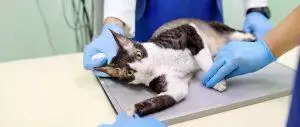
- No Sphynx-specific DNA test currently available — screening requires annual echocardiography by a veterinary cardiologist
- Ask breeders for annual cardiac screening certificates for both parents
- Affected cats should never be bred
Hereditary Myopathy (CMS — Congenital Myasthenic Syndrome)
A genetic muscle disorder specific to Sphynx cats:
- Causes generalised muscle weakness — head bobbing, high-stepping gait, easy fatigue
- Symptoms typically appear in kittens at 3–23 weeks
- Autosomal recessive inheritance. DNA test available — both parents should be tested
Lifespan Concern
A UK veterinary study found the average Sphynx lifespan to be 6.7 years — significantly below the 12–15 year average for domestic cats. This is attributed to their genetic predisposition to HCM and other conditions. This is a statistic prospective owners should seriously consider.
Skin Care — The Daily Reality
- Weekly bathing — without fur to absorb natural skin oils, these oils build up on the skin. Without regular bathing, Sphynx cats become oily, develop acne, and leave brown residue on fabrics
- Ear cleaning — Sphynx cats produce more earwax than furred cats. Weekly cleaning is essential
- Nail cleaning — oils and debris accumulate in nail beds
- Skin fold cleaning — wrinkles trap moisture and bacteria. Daily inspection of deep folds
- No sun exposure — Sphynx cats sunburn rapidly. UV-blocking window film, pet-safe sunscreen (never human sunscreen), and UV-rated clothing can help
FAQs
Are Sphynx cats hypoallergenic?
No — this is a common misconception. Cat allergies are caused by the Fel d 1 protein in saliva and skin secretions, not by fur itself. Sphynx cats produce Fel d 1 just like other cats. Because they have no fur to trap the protein, their skin oils (which contain the allergen) spread directly onto surfaces and become airborne more easily. Some allergy sufferers actually react more to Sphynx cats. If you have cat allergies, spend extended time with a Sphynx before committing.
Reviewed by Dr. Sarah Jenkins, MRCVS
Dr. Jenkins is a fully practicing veterinary surgeon in the UK with over 15 years of clinical experience in small animal medicine and canine behaviour. She reviews and verifies our health content to ensure medical accuracy.