Along with a safe, secure tank and suitable food, your reptile needs the correct conditions to live in. Essentially, their natural habitat needs to be recreated in miniature form, acting as their own ecosystem.
- Types of light for reptiles
- •UVA lighting
- •UVB lighting
- •Infrared Light/Heat
- Types of reptile lamps
- •Incandescent Lamps
- •Daylight Fluorescents
- •UVB Fluorescents
- •Full Spectrum Fluorescents
- •Mercury Vapour
- •Metal Halide
- •Ceramic Bulb/Heaters
- •Night Lamp
- •Basking Bulbs
- •Heat Mats
- Bulb Wattage
- The different types of reptile
- •Sun Worshippers
- •Rainforest
- •Dawn and Dusk
- •Iguanas
- •Snakes
- •Turtles
- Animals that use reptile lamps
- FAQs
- •Do I need a dedicated reptile lamp for night use?
- •How long will my lamp last?
- •Where should I position my lamps?
- •When do the lamps need to be used?
- • 📚 Related Reading
This means temperature, UVA/UVB lighting and moisture all need to be taken care of. Thankfully, the former two factors are fairly simple with the help of lamps, bulbs and heaters.
It is essential that your reptile has the right level of UV light for its animal type, breed and environment.
Stress can be a major problem for reptiles. It lowers their immune system response. High temperatures and a lack of heat gradient in the terrarium are factors of heat stress
But here is where it can get complicated – every reptile and amphibian breed needs its own conditions. Some animals may need different conditions at night, too. Basking spots and cooler areas is a common consideration.
Types of light for reptiles
Ultraviolet (UV) light is split into three sections: UVA, UVB and UVC. Reptiles usually need both UVA and UVB lighting. UVC isn’t necessary for reptiles, but it can help to kill bacteria. Too much exposure to UVC can be harmful to animals, so most reptile owners avoid it.
Many basking animals will need some form of heat lamp to keep them warm, as well. This is usually in the form of a basking or spot lamp.
It is important to remember that UV wavelengths are filtered by glass and plastic, so the bulb has to have direct exposure to the reptile’s habitat. But it also cannot be placed too close to where your reptile will be, because this could damage their skin.
The effectiveness of the UV light will also diminish over time, so it is vital bulbs are replaced when this starts to happen.
Some bulbs provide light, some provide just heat, and some provide both. There is a huge range available. It is vital you choose the right one.
UVA lighting
UVA is between 320 and 400 nanometres (nm). This is in the visible range for reptiles.
UVA light allows animals to see, and maintain their circadian rhythm. This helps them regulate behaviours such as eating, activity levels, mating and observing any other animals in their vivarium.
The daily agenda of all animals is dictated by the sun, so your pet reptile needs this help. Without a proper circadian rhythm, they will become stressed
But not all reptiles need bright UVA. Nocturnal animals such as certain snake species and lizards will not appreciate light or bright conditions.
UVB lighting
UVB is between 290-315 nm. These are the non-visible natural sunlight rays that can burn human skin, i.e. unfiltered natural sunlight.
Nearly all animals need UVB lighting and reptiles are no exception. However, reptiles need it more urgently in order to produce calcium, as they can’t get it from other sources.
Diurnal reptiles which are usually active during the day need sunlight for the production of Vitamin D3, which helps to absorb the calcium and prevents Metabolic Bone Disease (MBD).
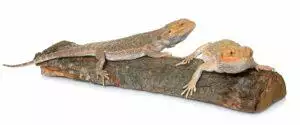
Some reptilic animals from desert climes bask to capture high amounts of UVB. Some reptiles from sheltered rainforests, such as frogs, may need lower levels. Animals who require very high levels of UVB (such as bearded dragons and chameleons) will most definitely need a dedicated UVB bulb.
UVB often comes in percentages, so you will need to match this up to your reptile breed. For example, 6% gives off lower UVB than 12%. The general rule of thumb is that the UVB bulb is on for 12 hours, then off for 12 hours, to mimic day and night. Most reptiles will still need a night heat source, though, which doesn’t provide light.
Infrared Light/Heat
This is light above 700 nm. While light bulbs can give out heat, heat bulbs are designed to give out as much heat as possible. Owners can see where the heat is concentrated and how much is given out.
As reptiles are ectothermic (cold-blooded), infrared radiation is needed for thermoregulation. They need to source their warmth from nature as opposed to generating their own.
The sun provides infrared light in the wild, but domestic reptiles need an overhead radiant source/bulb. UVA and UVB bulbs will usually naturally give off heat, so you don’t always need a separate bulb. But you may need something which doesn’t provide light which disturbs sleep. Some also find it easier to control the heat separately.
Heat bulbs need to be paired with a hanging fixture and a dimming thermostat. You need to look at the fittings, wattage and the heat output.
Types of reptile lamps
Incandescent Lamps
A good heat source and visible light, with little UVA and barely any UVB so a separate UVB is needed. Often dimmable so you can control heat and light
Daylight Fluorescents
Do not produce sufficient UVB for vitamin D3 synthesis in reptiles so are best if you are just after a UVA source
UVB Fluorescents
Produce enough UVB to emulate a shaded outdoor area, so good for smaller enclosures or reptiles who need little UVB
Full Spectrum Fluorescents
Should give pretty even, standard amounts of UVA and UVB but you will need to check the exact levels
Mercury Vapour
Give off high levels of heat, but can vary in the UVB output which will need to be double-checked. Heat levels can’t be controlled so best for large tanks
Metal Halide
Produce UVA and UVB but you may be restricted on the ratios so could need extra lamps. Shades can be used
Ceramic Bulb/Heaters
These give off no UVA light so are best for overnight use when it needs to be completely dark but still warm. Most last much longer than incandescent bulbs, and give off more heat too. You can also purchase heat mats as an alternative
Night Lamp
These give off heat but minimal, dim visible light. They’re best for nocturnal animals, such as geckos, which still need some visibility overnight as opposed to the complete darkness from ceramic heaters.
They are available in various colours. Green simulates natural forest canopies, red for the desert, blue for natural moonlight etc
Basking Bulbs
These direct heat and UV light downward onto a smaller, specific area, using a tighter beam. Reptiles who love to bask in heat will gather under this, and it is also good for making one end of the tank hotter than the other. If ‘neodymium’ coated, there is no UVB being produced
If you’re using a basking lamp, it should be more of a basking zone. Their whole body should be able to fit underneath the light. Anything too narrow will heat one spot of their body while the rest remains cold – remember that they can’t regulate their body heat themselves. It could also cause thermal burns if they use it for a prolonged amount of time
Heat Mats
What the name suggests – mats that can sit under part of your tank, and give off heat but no light. Great for nocturnal snakes or geckos etc, and also some lizards who like belly heat as opposed to overhead heat rays
Bulb Wattage
The wattage of a bulb is the amount of energy needed to produce light. The higher the wattage, the brighter the light, but the more power it needs. Bulbs that give off a higher temperature will also usually be higher wattage.
The level you need will depend on the size of your tank, your animal and the room temperature where the pet will be kept.
Higher wattage bulbs get brighter and hotter. This can be better for animals who need warmer climes, or if you want to place the bulb further away in a smaller tank. Work out the size of the tank, the environment they need and also the bulb your fitting can hold.
The different types of reptile
As mentioned, every reptile needs slightly different levels of heat and light, so the information below will form a rough guide as to how to create the perfect ecosystem for your pet. So while you must get everything correct for their particular breed, having a basic understanding of their basic conditions is a good place to start.
In general, reptiles fit into three groups, but some breeds are more unique:
Sun Worshippers
These reptiles live in really hot places, such as the desert or the Mediterranean. They spend a lot of time in direct sunlight, meaning they are used to high levels of UVB. They will likely need visible but dark light at night
Rainforest
These species are found in the rainforest and so typically only need low levels of UVB, and small areas shaded from UVA too
Dawn and Dusk
These reptiles bask only very occasionally. The food they eat usually contains enough UVB for their daily need, and any more could cause illnesses. They will usually need complete darkness at night
Iguanas
These fall in between sun-worshipping and rainforest, as they need high UVB in the morning and evening but shade midday
Snakes
Unlike most other reptiles, they get most of their vitamin D3 needs from their food, but some low UVB may be beneficial in captivity. They’re nocturnal, so very sensitive to bright artificial light
Turtles
These reptiles spend quite a lot of time in the water but still need UVB, so it has to be specially catered to perhaps sit over the water while ensuring they don’t get too much
Animals that use reptile lamps
Any pet which lives in a terrarium or vivarium and needs a warm, bright environment can benefit from a lamp like the ones above. This may include:
- Bearded dragons
- Snakes
- Turtles
- Tortoises
- Lizards
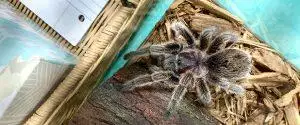
- Tarantulas
- Geckos
- Chameleons
- Iguanas
- Invertebrates
- Amphibians
FAQs
Do I need a dedicated reptile lamp for night use?
You cannot use a bright lamp overnight. Doing so causes disruption to the animal’s sleep cycles, so you will need a night lamp that gives off low, dark light levels or a ceramic one that gives off no light at all, but still some heat.
Which you choose will depend on your animal and its natural behaviour and habitat.
How long will my lamp last?
The power of UV diminishes over time, so we would recommend replacing them around every 12 months. But, continuously check levels per bulb
Where should I position my lamps?
For the vast number of reptile tanks, there should be a gradient of temperatures, so a cool zone with no heat, a basking area for daylight intense heat and then a warm section with a constant heat supply for 24 hours. This gives your reptile the chance to change their body temperature as they wish.
Like the sun, lamps should generally be positioned above the reptile. They have eyebrow ridges and eyelids just like us to stop the sun shining into their eyes, so light sources coming from the side can be very stressful and damage eyes.
Some reptiles prefer heat underneath, however, such as certain breeds of a lizard who like heat under their stomach, so always double-check.
UV rays are filtered by glass and plastic, so you will need to place your lamp within direct exposure to the habitat and not shining through the vivarium’s walls.
No lamp or tube should be closer than six inches from the reptile, even when positioned directly overhead. For lamps that give off heat, this should be even further away. Most UV lamps offer a direct guide on the minimum and maximum positioning
When do the lamps need to be used?
A UV bulb that emits bright light should be turned off at night, to mimic the switch from daytime to nighttime. All reptiles vary, but generally, you should keep it on for 12 hours and then off for 12 hours. A timer can help with this.
If this bulb gives off some heat too, you will need a backup heat source overnight, such as a red/black lamp or a heating pad.
We would say that it is best to keep the heat and light sources separate in your reptile tank, so you get full control over each element.