
🔄Last Updated: 4 March 2026•Originally published: 19 February 2020
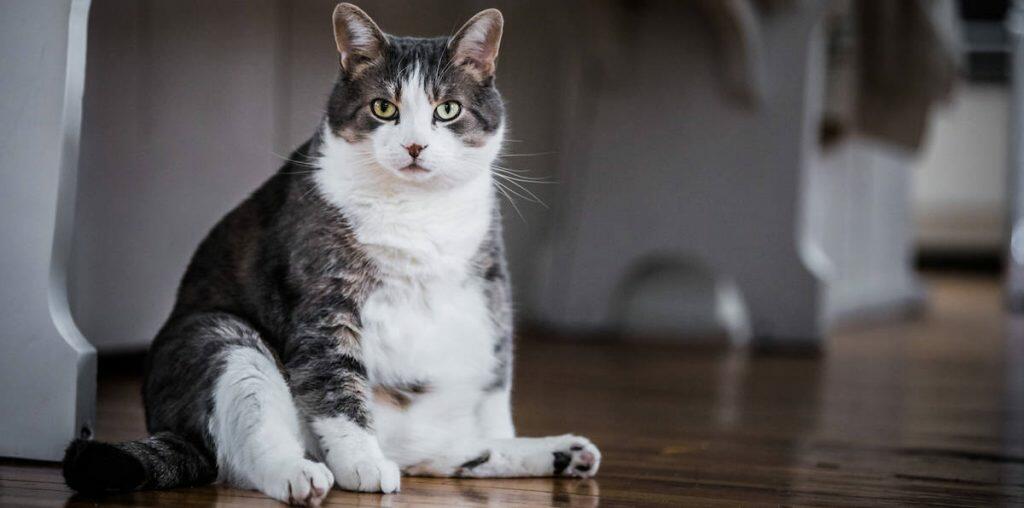
An estimated 40-50% of UK cats are overweight or obese — making excess weight the single most common nutritional problem in domestic cats. Overweight cats face significantly increased risks of diabetes (five times more likely), arthritis, urinary tract disease, hepatic lipidosis (fatty liver, which can be fatal), and a measurably shorter lifespan. The primary cause is simple: too many calories and not enough activity, particularly in indoor and neutered cats.
Why Indoor & Neutered Cats Need Special Food
- Neutered cats require approximately 30% fewer calories than intact cats — but most owners continue feeding the same portion sizes after neutering.
- Indoor cats have dramatically reduced activity levels compared to outdoor cats. They burn fewer calories but often eat more due to boredom-related feeding.
- Free-feeding dry food is the single biggest contributor to feline obesity. Kibble is calorie-dense, and cats with unlimited access consistently overeat.
Quick Comparison: Best Weight Management Cat Food UK 2026
| Product | Key Feature | Best For |
|---|---|---|
| Royal Canin Indoor 27 | Moderate fat / Urinary support | Indoor cats / Vet-recommended |
| Hill’s Science Diet Indoor | Lean protein / Hairball control | Indoor + Weight + Hairball |
| Meowing Heads Fat Cat Slim | Fresh meat, lower calorie | Premium / Natural ingredient |
| KatKin Fresh | Human-grade, personalised portions | Premium / Portion control |
Weight Loss Tips
- Switch from free-feeding to measured meals (2-3 times daily). This is the single most impactful change.
- Use wet food: Higher moisture content = lower calorie density. Cats feel fuller on fewer calories with wet food.
- Weigh food portions — don’t estimate. Kitchen scales are more accurate than measuring scoops.
- Target slow, gradual loss: 1-2% body weight per week maximum. Rapid weight loss in cats causes hepatic lipidosis (fatty liver), which is life-threatening.
- Always consult your vet before starting a weight loss programme — they can calculate exact calorie requirements.
Part of our Best Cat Food UK guide series.