
Choosing the right reptile substrate is crucial for your pet’s health, enrichment, and husbandry. The “loose vs mat” debate has moved on — modern understanding shows that safe loose substrates with proper husbandry are beneficial for most species. Here’s our complete 2026 guide.
Best Reptile Substrates by Species
| Species | Best Substrate | Alternative | Avoid |
|---|---|---|---|
| Bearded dragon (adult) | ProRep Beardie Life / Arcadia EarthMix Arid | 50:50 organic topsoil + play sand | Calcium sand, pure fine sand, beech chips |
| Bearded dragon (baby) | Paper towels / tile | Kitchen roll | Any loose substrate |
| Leopard gecko | ProRep Leo Life / 40:40:20 topsoil + sand + clay | 70:30 topsoil + play sand | Calcium sand, crushed walnut, pure sand |
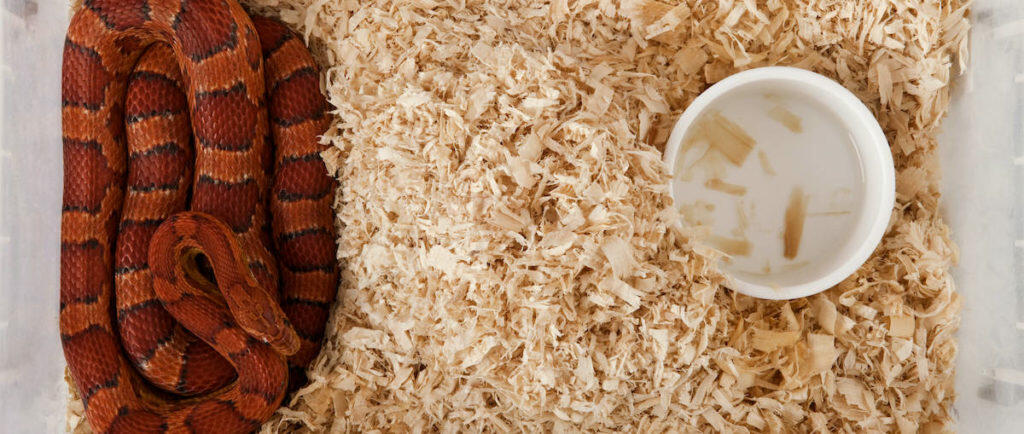
| Corn snake | Lignocel / aspen shavings | Coco coir | Cedar, pine shavings |
| Royal python | Coco coir / orchid bark | Sphagnum moss mix | Sand, cedar, pine |
| Crested gecko | Coco coir / bioactive soil mix | Sphagnum + orchid bark blend | Sand, dry substrates |
Loose Substrate vs Reptile Mat
| Feature | Loose Substrate | Reptile Mat / Carpet | Tile / Solid |
|---|---|---|---|
| Natural behaviour | ✅ Digging, burrowing, natural movement | ❌ No enrichment | ❌ No enrichment |
| Impaction risk | ⚠️ Very low with correct husbandry | ✅ None | ✅ None |
| Hygiene | Spot clean + full change every 3–6 months | Frequent washing required — harbours bacteria | Easy to wipe clean |
| Humidity control | ✅ Can hold and release moisture naturally | ❌ No humidity benefit | ❌ No humidity benefit |
| Claw/tooth snagging | ❌ No risk | ⚠️ Carpet can snag claws and teeth | ❌ No risk |
| Bioactive ready | ✅ Supports clean-up crew | ❌ Not suitable | ❌ Not suitable |
Understanding Impaction Risk
Impaction — a digestive blockage caused by substrate ingestion — is the biggest concern for new reptile keepers. However, modern reptile care recognises that:
- Impaction is almost always a symptom of poor husbandry (wrong temperatures, dehydration, poor diet), not substrate alone
- A healthy reptile with correct basking temperatures can pass small amounts of substrate without issue
- Avoid calcium sand (clumps when wet), crushed walnut shells, and pure fine sand which pose higher risks
- Use species-specific blends (e.g., ProRep Beardie Life) designed for safe ingestion in small amounts
Bioactive Substrates Explained
A bioactive setup creates a self-sustaining ecosystem using substrate, live plants, and a “clean-up crew” (springtails and isopods) that breaks down waste naturally.
| Component | Purpose | Examples |
|---|---|---|
| Drainage layer | Prevents waterlogging | Clay balls (LECA), hydro granules |
| Mesh barrier | Separates drainage from substrate | Weed membrane |
| Substrate | Growing medium for plants, habitat for CUC | Arcadia EarthMix Arid / topsoil+sand mix |
| Clean-up crew (CUC) | Break down waste, prevent mould | Springtails, tropical/arid isopods |
| Live plants | Oxygen, humidity, enrichment | Succulents (arid), pothos (tropical) |
Frequently Asked Questions
What is the safest substrate for a bearded dragon?
For adults: a species-specific blend like ProRep Beardie Life or Arcadia EarthMix Arid, or a homemade 50:50 organic topsoil and play sand mix. For babies: paper towels or ceramic tile until ~6 months old.
Is loose substrate safe for leopard geckos?
Yes, when using safe blends (topsoil + play sand + excavator clay) and maintaining proper temperatures and hydration. Avoid calcium sand and crushed walnut shells. Loose substrate is now recommended by most modern care guides for enrichment.
What substrates should I never use for reptiles?
Avoid calcium sand (clumps, causes blockages), crushed walnut shells, cedar or pine shavings (toxic aromatic oils), gravel (impaction + joint damage), and beech chips for small species.
What is a bioactive substrate?
A self-sustaining substrate ecosystem that uses live plants and invertebrates (springtails, isopods) to naturally break down waste. It reduces maintenance, provides enrichment, and mimics natural habitats.