
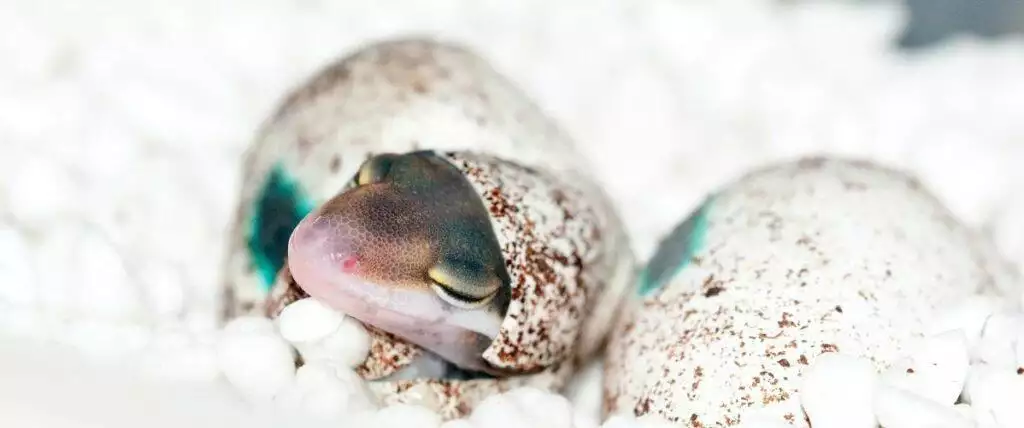
Hatching reptile eggs successfully depends on precise temperature and humidity control. The wrong incubator — or the wrong settings — can mean failed clutches, deformed hatchlings, or unintended sex ratios. Here’s our 2026 guide to the best UK incubators for geckos, bearded dragons, and snakes.
Best Reptile Incubators Compared
| Incubator | Temp Range | Heating + Cooling? | Glass Door | Capacity | Price |
|---|---|---|---|---|---|
| White Python 49L | 10–40°C | ✅ Both | ✅ Tempered | Large (100+ eggs) | £130–£170 |
| Lucky Reptile Herp Nursery II | 5–60°C | ✅ Both | ❌ Solid | Medium | £110–£140 |
| Exo Terra Precision Pro | 15–40°C | ✅ Both | ✅ | Medium | £150–£200 |
| HerpXotics HERP-i33 | 5–50°C | ✅ Both | ✅ | Small–medium | £180–£250 |
| Zoo Med Reptibator | 15–40°C | ❌ Heat only | ✅ Clear lid | Small | £50–£80 |
Why Heating AND Cooling Matters
Many budget incubators only heat. During UK summers, room temperatures can push above 30°C, causing overheating and embryo death. Incubators with active cooling (White Python, Lucky Reptile, HerpXotics) maintain stable temperatures regardless of ambient conditions — essential for consistent hatching success.
Temperature Sex Determination (TSD)
Some reptile species use incubation temperature to determine sex. Getting this right is critical for breeders:
| Species | Female Temp | Male Temp | Mixed Sex Temp |
|---|---|---|---|
| Leopard gecko | 26–28°C | 31–33°C | 29–30°C |
| Bearded dragon | 28–30°C (at high temps) | 28–30°C (at low temps) | ~29°C |
| Corn snake | No TSD — sex determined genetically | ||
| Royal python | No TSD — sex determined genetically | ||
Accuracy matters: Even 1°C can affect sex ratios in TSD species. Use an incubator with accuracy of ±0.5–1°C and verify with a calibrated digital thermometer.
Our Top Pick: White Python 49L
The White Python 49L offers the best balance of capacity, reliability, and features for UK breeders. Tempered glass door for observation, active heating and cooling (thermoelectric system), internal LED lighting, and a 5-year warranty. Its 10–40°C range covers incubation and brumation for species requiring cooling periods.
Humidity Control Tips
- ✅ Use vermiculite or perlite as an incubation medium — mix 1:1 with water by weight
- ✅ Place eggs in deli cups with pinhole ventilation inside the incubator
- ✅ Aim for 80–90% humidity for most gecko and snake eggs
- ✅ Check water levels weekly and add as needed
- ✅ Monitor with a digital hygrometer placed inside the incubator
Frequently Asked Questions
What temperature should I incubate leopard gecko eggs?
Between 26–33°C, depending on desired sex ratio. Lower temperatures (26–28°C) produce females, higher (31–33°C) produce males, and 29–30°C gives a mix. Incubation takes 35–90 days.
Can I use a chicken egg incubator for reptiles?
Not recommended. Chicken incubators run at 37.5°C (too hot for most reptiles) and include egg-turning mechanisms that can kill reptile embryos. Use a purpose-built reptile incubator.
Do I need an incubator with cooling?
In the UK, yes, especially if your reptile room lacks air conditioning. Summer temperatures can cause heat-only incubators to overshoot, killing embryos. Active cooling incubators maintain stability.
What is the best incubation medium?
Vermiculite mixed 1:1 with water by weight is the most widely recommended. Perlite and HatchRite are also effective. Avoid soil, sand, or paper towels for egg incubation.