
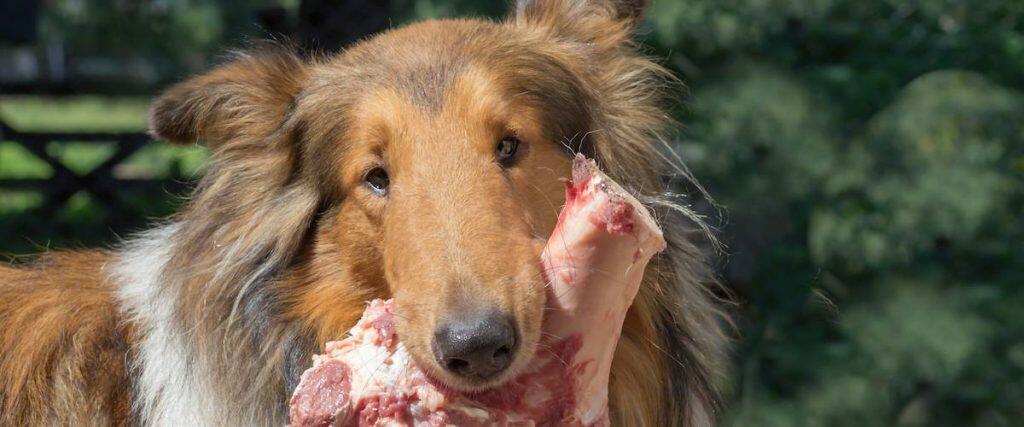
In 2026, raw dog feeding is no longer a fringe movement — it is a rapidly growing, mainstream dietary choice in the UK. Advocates of raw diets (often referred to as BARF: Biologically Appropriate Raw Food) report transformative results: shinier coats, massively reduced stool volume, elimination of “doggy odour”, and the resolution of chronic allergies that traditional kibble failed to fix.
However, raw feeding requires a significant commitment regarding freezer space, hygiene, and nutritional understanding. Throwing a raw chicken breast into a bowl every day is not raw feeding; it is a fast track to severe malnutrition. A dog requires precise ratios of muscle meat, bone, and secreting organs to survive.
We’ve reviewed the UK’s top commercial raw dog food suppliers, breaking down their sourcing, safety standards, and nutritional balance to help you start raw feeding safely and confidently.
The Two Types of Raw Food: “Complete” vs. “80/10/10”
Before you buy anything, you must understand the difference between the two main types of commercial raw food:
- Complete Raw (Best for Beginners): These meals are pre-mixed and nutritionally perfect straight out of the tub. They contain meat, bone, offal, and a small percentage of vegetables/fruits (like carrots or blueberries) and essential oils. You do not need to add anything to these meals.
- 80/10/10 Pure Meat (Best for Experienced Feeders): This is the strict “Prey Model” ratio: 80% muscle meat, 10% edible bone, and 10% offal (half of which must be liver). It contains zero vegetables. While technically “complete” if varied properly over time, beginners often struggle to balance the micronutrients without adding their own supplements.
Quick Comparison: Best Raw Dog Foods UK
| Brand | Format | Type | Best For |
|---|---|---|---|
| Bella & Duke | Frozen Tubs | Complete (+ Veg/Oils) | Overall best / Beginners |
| Paleo Ridge | Frozen Minces | 80/10/10 & Complete | Ethical/Wild sourcing |
| Naturaw | Compostable Tubs | 80/10/10 | Eco-friendly / Allergies |
| Natural Instinct | Frozen Tubs | Complete | Working dogs / Variety |
| Benyfit Natural | Frozen Tubs | 80/10/10 & Complete | Premium single protein |
Our Detailed Reviews: Top Picks for 2026
1. Bella & Duke — Best Overall Raw Dog Food (Best for Beginners)
Bella & Duke operate a subscription model designed specifically to take the fear out of raw feeding. You provide your dog’s details, and they calculate the exact daily portion required, shipping a box of frozen meals to your door on dry ice. Their recipes are “Complete” — containing 80% meat, 10% bone, 10% offal, plus blended seasonal vegetables, Scottish salmon oil, and kelp.
Why we chose it: They are RawSAFE certified (the highest hygiene standard in the UK commercial raw industry). Because the meals are fully complete, there is zero risk of malnutrition. It is the safest, most convenient way to transition a dog to a raw diet.
2. Paleo Ridge — Best for High-Welfare & Ethical Sourcing
If you are concerned about factory farming, Paleo Ridge is the gold standard. They obsessively source outdoor-reared, free-range, or wild-caught meats. Alongside standard beef and lamb, their “Classic Range” features incredible novel proteins like Wild Rabbit, Venison, and Pheasant — all minced to an 80/10/10 ratio.
Why we chose it: The meat quality is arguably the highest in the UK raw sector. Feeding wild game provides an incredibly lean, naturally robust nutritional profile that factory-farmed meats cannot match.
3. Naturaw — Best for Eco-Conscious Owners & Allergies
Naturaw’s most striking feature is its packaging: it is 100% compostable and plastic-free. Inside the tubs, you’ll find impeccably sourced, chunky 80/10/10 minces. They are completely free from vegetables, making them a true Prey Model diet.
Why we chose it: If your dog has severe allergies and you need to feed them an absolute minimum-ingredient, single-protein diet (e.g., exclusively Lamb), Naturaw’s unadulterated “Original Range” is perfect.
4. Natural Instinct — Best for Working Dogs
Natural Instinct offers a huge variety of complete raw meals specifically formulated for highly active and working breeds. Their working dog recipes contain added Vitamin C and focus heavily on high-energy proteins and natural joint care.
Why we chose it: They are one of the most established names in the UK raw market, ensuring wide availability, consistent quality, and an excellent range of specifically tailored puppy and senior raw diets.
How to Transition Your Dog to Raw Food Safely
You cannot suddenly swap a dog from dry kibble to raw meat overnight. Their stomach acid needs time to adjust. Most raw manufacturers recommend a straight swap (e.g., fasting the dog for 12 hours, then feeding raw), but if your dog has a sensitive stomach, you may need to transition slowly over 7 days.
Crucial Rule: Never mix raw meat and dry kibble in the exact same bowl. They digest at entirely different speeds. Raw meat breaks down very quickly, while kibble requires substantial time to process. Modifying digestion speed risks causing an upset stomach. If you want to feed both, feed kibble in the morning and raw in the evening.
Raw Feeding Hygiene: The “Salmonella” Question
The primary argument against raw feeding (often cited by traditional veterinarians) is the risk of bacterial contamination, such as Salmonella and E. coli. It is essential to understand the science behind this:
- The Dog’s Bio-defense: A dog’s digestive tract is incredibly short and highly acidic (with a pH close to 1, similar to battery acid). They are biologically designed to safely process bacteria that would make a human severely ill.
- The Human Risk: The risk of raw feeding is almost entirely to the human owner handling the meat, not the dog.
To safely feed raw, you must treat your dog’s food exactly like you treat raw chicken intended for your own Sunday roast:
- Defrost raw food in a sealed container in the fridge, never on the countertop.
- Wash your hands, utensils, and the dog’s bowl in hot, soapy water immediately after serving.
- Never leave uneaten raw food sitting out at room temperature for more than 20 minutes.
Note: If you have immunocompromised individuals or very young toddlers crawling on the floor in your home, raw feeding presents a higher hygiene risk, and a high-quality premium wet dog food or gently cooked fresh food (like Butternut Box) may be a safer alternative.
How Much Raw Food Do I Feed? (The 2-3% Rule)
The standard raw feeding calculation is based on the dog’s ideal adult weight. An adult dog of average activity level should eat between 2% and 3% of their body weight per day.
- A 10kg dog needs roughly 200g – 300g per day.
- A 20kg dog needs roughly 400g – 600g per day.
Puppies are entirely different. Because they are growing rapidly, they need to eat roughly 4% to 6% of their current body weight. Always use a raw food calculator provided by the brand you choose to ensure precise measurements.
If you are intrigued by raw food but cannot commit to the freezer space, explore our guide to cold-pressed dry food, which offers many of the same nutritional benefits. For a comprehensive overview of all diet types, visit our main Best Dog Food UK hub.