
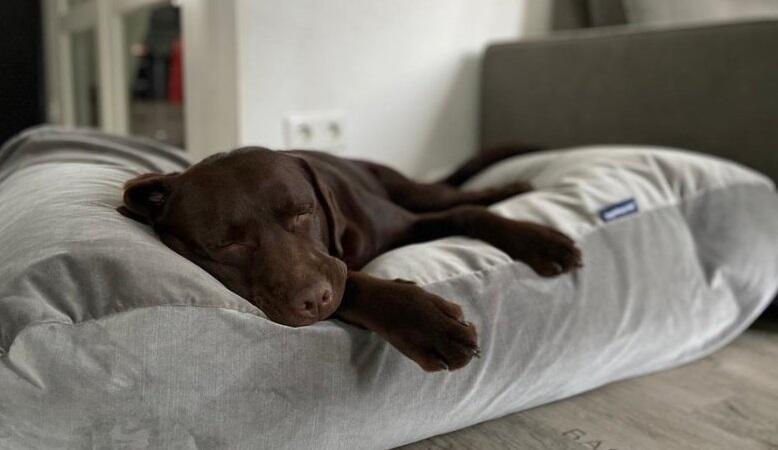
If your dog suffers from joint stiffness, arthritis, or hip dysplasia — or if you simply want to prevent these issues down the line — an orthopaedic dog bed can make a world of difference. These specialised beds are designed with medical-grade foams and support structures that align your dog’s spine, reduce pressure on painful joints, and provide the kind of deep, restorative sleep that keeps tails wagging.
As a vet-reviewed guide, we’ve spent months researching and testing the best orthopaedic dog beds available in the UK for 2026. Whether you need a bed for a giant breed recovering from surgery or a small senior dog with creaky knees, this comprehensive guide has you covered.
Quick Comparison: Our Top Picks at a Glance
| Bed | Best For | Foam Type | Sizes | Washable | Price Range |
|---|---|---|---|---|---|
| PetFusion Ultimate | Overall Best | Solid Memory Foam | S / M / L / XL | ✅ Yes | £65–£120 |
| VetRelieve Ortholuxe | Vet-Designed | Patent-Pending Ortho Foam | M / L / XL / XXL | ✅ Yes | £80–£150 |
| Bedsure Large Sofa | Best Budget | Egg Crate Memory Foam | M / L / XL | ✅ Yes | £30–£55 |
| The Dog’s Bed Premium | Heavy-Duty | High-Density + Memory Foam | S / M / L / XL / XXL | ✅ Yes | £50–£100 |
| Scruffs ArmourDillo | Chew-Resistant | Memory Foam Core | M / L / XL | ✅ Yes | £45–£80 |
| EHEYCIGA XL | Giant Breeds | High-Density Memory Foam | L / XL / XXL | ✅ Yes | £40–£75 |
What Makes a Dog Bed “Orthopaedic”?
Not all dog beds labelled “orthopaedic” are created equal. In fact, there’s no legal standard in the UK for what constitutes an orthopaedic dog bed — any manufacturer can slap the label on a basic cushion. Here’s what genuinely matters:
Orthopaedic vs Memory Foam: What’s the Difference?
- Orthopaedic beds include a support layer specifically designed to align the spine and distribute weight evenly across joints. They may use memory foam, high-density foam, latex, or a combination.
- Memory foam beds use visco-elastic polyurethane foam that moulds around your dog’s body shape and slowly returns to its original form. While comfortable, memory foam alone doesn’t guarantee orthopaedic-level support — the density and thickness of the foam matter enormously.
The vet’s verdict: For dogs with diagnosed conditions like arthritis, hip dysplasia, or elbow dysplasia, look for beds with at least 10cm (4 inches) of high-density foam — ideally a combination of a firm support base topped with memory foam for comfort.
The Complete Buyer’s Guide
Before investing in an orthopaedic bed, consider these key factors:
1. Foam Density and Thickness
This is the single most important factor. Look for beds with:
- High-density foam (at least 2 lb/ft³ or 32 kg/m³) for proper weight distribution
- Minimum 10cm thickness for medium dogs, 15cm+ for large and giant breeds
- CertiPUR-US certified foam for safety (no harmful chemicals, no off-gassing)
2. Size and Shape
Measure your dog from nose to tail while lying stretched out, then add 15-20cm to each dimension. Dogs should be able to fully stretch out without hanging over the edge. Common shapes include:
- Flat/mattress style — best for dogs who sprawl out
- Bolster/sofa style — ideal for dogs who like to rest their head on a raised edge
- Donut/nest style — perfect for dogs who curl up and like to feel enclosed
3. Waterproof Protection
This is non-negotiable for senior dogs. Memory foam absorbs liquids like a sponge and is nearly impossible to clean once wet. Always choose a bed with a waterproof inner liner that protects the foam from accidents, drool, and spills.
4. Washable Cover
The cover should be fully removable and machine-washable. Dogs shed, drool, and track dirt — you’ll be washing it regularly. Look for zip-off covers that are easy to remove and put back on.
5. Non-Slip Base
Older dogs with mobility issues need a bed that stays put. A non-slip rubber base prevents the bed from sliding on hard floors, which is particularly important for dogs with arthritis who may struggle to get in and out.
6. Ease of Entry
For dogs with joint problems, choose a bed with a low step-in height or a cutaway front. High-bolster beds can be difficult for arthritic dogs to climb into.
Our Detailed Reviews
1. PetFusion Ultimate Memory Foam Dog Bed — Best Overall
The PetFusion Ultimate consistently tops lists of orthopaedic dog beds, and for good reason. It features 10cm of solid, CertiPUR-US certified memory foam (not shredded — a crucial distinction) that provides genuine medical-grade support. The bolstered edges offer head and neck support, while the waterproof inner liner protects the foam investment.
What we love:
- Solid memory foam base — not flattened shredded foam
- YKK zippers for durability
- Water-resistant micro-suede cover (machine washable)
- Non-skid bottom
- 3-year warranty — exceptional for a dog bed
Worth knowing: The memory foam is firm when new. Allow 24-48 hours for it to fully expand and soften. It’s designed to remain supportive for years without flattening.
2. VetRelieve Ortholuxe — Best Vet-Designed
Designed and manufactured in the UK by a team of veterinary professionals, the VetRelieve Ortholuxe is the closest thing to a medically prescribed dog bed. Their patent-pending orthopaedic foam technology has passed independent pressure-mapping tests, demonstrating measurable pressure relief on hip and shoulder joints.
What we love:
- Developed by UK vets specifically for dogs with arthritis
- Available up to XXL for giant breeds (Great Danes, Mastiffs)
- Pressure-tested and independently verified
- Made in the UK — shorter delivery times and local support
Worth knowing: It’s one of the more expensive options, but you’re paying for genuine veterinary science and UK manufacturing. Many vet practices now recommend it by name.
3. Bedsure Large Dog Bed Sofa — Best Budget Pick
If you want genuine orthopaedic support without breaking the bank, the Bedsure is hard to beat. Its 6.4cm egg crate memory foam base may not be as thick as premium options, but it’s surprisingly effective for medium-sized dogs and lighter large breeds.
What we love:
- Exceptional value — often under £40
- Removable, machine-washable flannel cover
- Waterproof liner included
- Three-sided bolster design for head support
- Non-slip bottom
Worth knowing: The egg crate foam design means it won’t support very heavy dogs (30kg+) as well as solid foam options. For larger breeds, consider the thicker alternatives above.
4. The Dog’s Bed Premium Orthopaedic — Best for Serious Joint Conditions
Purpose-built for therapeutic use, The Dog’s Bed Premium combines a high-stability base foam with a premium memory foam topper. This dual-layer system provides the firm support orthopaedic surgeons recommend while still offering the comfort dogs need to actually use the bed.
What we love:
- Therapeutic-grade dual foam system
- Waterproof inner protective cover
- Durable outer cover in multiple colours
- Available in sizes from Small to XXL
- Specifically marketed for post-surgical recovery
Worth knowing: This is a serious medical bed, not a lifestyle product. If your vet has recommended an orthopaedic bed after surgery or for a diagnosed condition, this should be high on your list.
5. Scruffs ArmourDillo — Best for Destructive Dogs
Many orthopaedic beds are delicate affairs that won’t survive five minutes with a determined chewer. The Scruffs ArmourDillo solves this with a ballistic-grade, chew-resistant cover that’s been designed to withstand even the most enthusiastic nibblers — while still packing genuine orthopaedic memory foam inside.
What we love:
- Heavy-duty, chew-resistant material
- Memory foam orthopaedic support
- Wipeable cover for easy cleaning
- Non-slip base
- Available at Pets at Home stores (try before you buy)
Worth knowing: The trade-off for durability is that the cover isn’t as soft or plush as other options. Some dogs may need a blanket on top for extra cosiness.
6. EHEYCIGA Memory Foam Dog Bed — Best for Giant Breeds
Finding a genuinely orthopaedic bed for giant breeds (40kg+) is challenging — most beds simply aren’t big enough or thick enough. The EHEYCIGA tackles this head-on with an XXL option that’s over 120cm long and features high-density memory foam designed to support heavy dogs without bottoming out.
What we love:
- Genuinely large enough for Great Danes and similar giant breeds
- High-density foam that supports 50kg+ dogs
- Waterproof inner liner
- Machine-washable cover
- Competitive pricing for the size
Worth knowing: At XXL sizes, these beds take up significant floor space. Measure your room beforehand to make sure it fits.
Which Dogs Need an Orthopaedic Bed?
While any dog can benefit from proper orthopaedic support, these dogs particularly need it:
- Senior dogs (7+ years) — joints naturally deteriorate with age, and orthopaedic beds can significantly reduce morning stiffness
- Dogs with arthritis or osteoarthritis — the UK’s most common chronic pain condition in dogs, affecting up to 80% of dogs over 8 years old
- Breeds prone to hip or elbow dysplasia — German Shepherds, Labradors, Golden Retrievers, Rottweilers, and Bulldogs
- Giant breeds — Great Danes, Mastiffs, Newfoundlands, and Saint Bernards carry enormous weight on their joints
- Post-surgical recovery — after operations like TPLO (cruciate ligament repair) or hip replacement
- Large breed puppies — growing rapidly and needing joint support during development
Signs Your Dog Needs Better Sleep Support
Watch for these signals that your dog’s current bed isn’t providing enough support:
- Stiffness when getting up, especially after naps
- Reluctance to lie down or taking a long time to settle
- Preferring to sleep on hard floors (which provide more support than a saggy bed)
- Shifting position frequently during sleep
- Limping or lameness that’s worse after rest
- Visible calluses or pressure sores on elbows or hocks
If you notice any of these signs, consult your vet first — they can rule out underlying conditions and may recommend specific bed features. You can find more about dog beds in general in our comprehensive guide, or learn about cooling dog beds if your dog also runs hot.
How to Introduce Your Dog to an Orthopaedic Bed
Some dogs take to a new bed immediately; others need encouragement. Here’s how to make the transition smooth:
- Place it in their favourite spot — don’t move it to a new location simultaneously
- Add a familiar blanket or toy on top so it smells like home
- Use treats and praise to reward them for lying on it
- Don’t remove the old bed immediately — let them choose between the two for a few days
- Be patient — some dogs take a week to fully adopt a new bed, especially if they’re used to sleeping on the sofa or your bed
Caring for Your Orthopaedic Dog Bed
To get the most life out of your orthopaedic bed:
- Wash the cover weekly or at minimum fortnightly — dog beds harbour bacteria, dust mites, and allergens
- Air the foam every few months by removing the cover on a dry day
- Rotate the bed 180° monthly to prevent uneven wear
- Check the waterproof liner periodically for tears or damage
- Replace the bed when the foam no longer springs back — typically every 3-5 years for quality beds, annually for budget options
Frequently Asked Questions
How thick should an orthopaedic dog bed be?
For medium dogs (10-25kg), aim for at least 10cm (4 inches) of quality foam. For large and giant breeds (25kg+), 15cm (6 inches) or more is ideal. The foam should be dense enough that your dog doesn’t “bottom out” — if you can feel the floor through the foam when pressing down, it’s not thick enough.
Is memory foam or orthopaedic foam better for dogs with arthritis?
The best option is a combination: a firm orthopaedic foam base for structural support, topped with a memory foam comfort layer. Pure memory foam alone can allow a heavy dog to sink too deeply, which may actually increase pressure on joints rather than relieve it.
Can a young dog use an orthopaedic bed?
Absolutely. Large breed puppies especially benefit from orthopaedic support during their rapid growth phase (4-18 months). The proper support can help joints develop correctly and may reduce the risk of conditions like hip dysplasia later in life.
How long do orthopaedic dog beds last?
A quality orthopaedic bed with CertiPUR-certified foam should maintain its support for 3-5 years with daily use. Budget beds may flatten within 6-12 months. Look for warranties — a 3-year warranty is a strong indicator of foam quality.
Should I get a raised orthopaedic bed?
Raised or elevated beds (like cots) keep dogs off cold floors and improve air circulation, which is great for temperature regulation. However, for dogs with severe arthritis, a raised bed may be harder to get in and out of. For most dogs, a floor-level bed with a low-entry front is the best choice.
Do orthopaedic dog beds really work?
Yes — studies show that pressure-relieving surfaces significantly reduce joint pain and improve sleep quality in both humans and animals. An orthopaedic bed won’t cure arthritis, but it can measurably reduce morning stiffness and improve your dog’s quality of life. Many owners report visible improvements in mobility within 1-2 weeks of switching to a quality orthopaedic bed.
What’s the best orthopaedic bed for a Labrador?
Labradors are prone to hip and elbow dysplasia, making orthopaedic support particularly important. A Large or XL PetFusion Ultimate or VetRelieve Ortholuxe would be ideal — both offer the firm support Labs need. Avoid bolstered beds with high sides if your Lab has front-leg issues, as climbing in can be uncomfortable.
The Bottom Line
An orthopaedic dog bed is one of the best investments you can make for your dog’s long-term health and comfort. While the upfront cost may be higher than a standard bed, the benefits — reduced joint pain, better sleep, improved mobility — are well worth it. Our top recommendation for most dogs is the PetFusion Ultimate for its exceptional foam quality, durability, and 3-year warranty. For dogs with serious medical conditions, the VetRelieve Ortholuxe offers genuine vet-designed support. And if budget is a concern, the Bedsure Large Sofa offers remarkable value.
Whatever you choose, remember: the best orthopaedic bed is one your dog will actually use. Pay attention to their sleeping style, measure carefully, and don’t be afraid to try more than one option. Your dog’s joints will thank you.
This article has been reviewed by a qualified veterinary professional. For personalised advice about your dog’s joint health, please consult your local vet. You may also find our guides on the best dog beds and memory foam dog beds helpful.
🛏️ Recommended Orthopaedic Dog Beds
We’ve hand-picked these products for you. As an affiliate, we may earn a commission if you purchase through our links, at no extra cost to you.