
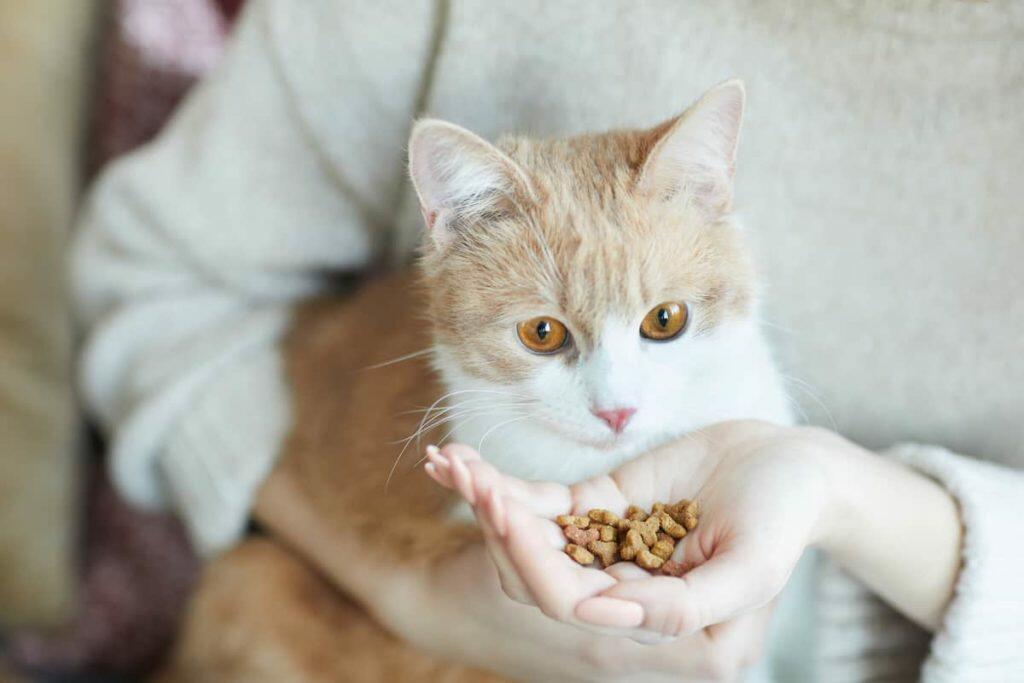
The “grain-free” pet food movement emerged primarily from the canine market but has carried over strongly into cat food — and in the feline case, the nutritional logic is considerably more robust. Cats are obligate carnivores: their metabolic machinery is built so exclusively around animal protein and fat that they have genuinely limited capacity to process carbohydrates compared to dogs or humans.
Wild cats consume zero dietary grain. The carbohydrate component of a wild cat’s prey — rodents, birds, and small vertebrates — comes from the partially digested stomach content of those prey animals, which is typically 2-5% carbohydrate at most. This is radically different from the 25-40% carbohydrate content of many mainstream dry cat foods, where cereals provide the structural matrix that holds kibble shapes together.
The practical consequence of this mismatch is significant: cats fed high-carbohydrate diets long-term show higher rates of obesity, type 2 diabetes, and dental disease than cats fed lower-carbohydrate alternatives. The grain-free label is not a marketing silver bullet, but for cats specifically, reducing dietary carbohydrate load is meaningfully aligned with their biological requirements.
“Grain-Free” vs “Low Carb”: Understanding the Distinction
These terms are often conflated but mean different things:
- Grain-free: Removes wheat, barley, oats, maize, and rice. However, the product may still contain significant carbohydrates from potato, sweet potato, chickpeas, or tapioca — alternative starches used to bind the kibble. A grain-free dry food can still be 25-30% carbohydrate.
- Low carbohydrate: Reduces total starch load, regardless of source. Wet food is by nature lower in carbohydrate than dry food because the moisture content means you can hold the product’s shape with protein gel (from the meat) rather than starch.
- Best for cats: The ideally low-carbohydrate option for a cat is quality wet food — which is naturally grain-free and naturally low-carb. A grain-free dry food is a meaningful improvement over a grain-inclusive dry food but is still not as metabolically appropriate as a quality wet diet.
Quick Comparison: Best Grain-Free Cat Foods UK 2026
| Product | Format | Protein % | Best For |
|---|---|---|---|
| Cosma Nature Tuna (Wet) | Wet Tin | ~70% | Overall best / Lowest carb |
| Feringa Adult Grain-Free (Dry) | Dry Kibble | 40% | Grain-free dry / Allergies |
| Purizon Adult Chicken (Dry) | Dry Kibble | 43% | Best value grain-free dry |
| Applaws Adult Tins (Wet) | Wet Tin | ~70% | Premium wet / Fussy cats |
| Almo Nature Classic Tuna (Wet) | Wet Tin | ~65% | Organic / B Corp ethical |
Our Detailed Reviews
1. Cosma Nature Wet Tins — Best Overall Grain-Free
Cosma Nature is the closest commercially available product to a cat’s biologically ideal diet. Single protein (tuna, chicken, or whitefish), natural broth, tapioca starch, minerals. Carbohydrate content is approximately 3-5% — mimicking the digestive contents of wild prey more closely than any dry food can achieve regardless of grain-free status. Available exclusively through ZooPlus. See our full Cosma Cat Food guide for the complete range breakdown.
2. Feringa Adult Grain-Free Dry — Best Single-Protein Grain-Free Dry
Feringa’s grain-free dry food uses a strict single-protein philosophy — one named meat (rabbit, turkey, salmon, or venison) with potato as the sole carbohydrate binder. The absence of multiple proteins makes it appropriate for elimination diet use, and the 40% crude protein content is high for a dry food. The trade-off versus wet food is carbohydrate content: potato-based dry food is still approximately 22-25% carbohydrate on a dry matter basis, which is significantly lower than grain-inclusive equivalents but higher than quality wet options.
3. Purizon Adult Chicken & Fish (Dry) — Best Value Grain-Free Dry
Purizon’s grain-free dry kibble is the benchmark value proposition in the UK market: 43% crude protein, fresh chicken as the primary ingredient, tapioca as the carbohydrate binder. Available in economy packs that bring the cost per day of feeding to an extremely competitive figure relative to its ingredient quality. See our full Purizon review for detailed ingredient analysis (the cat range uses the same philosophy as the dog range). View Purizon Cat Food at ZooPlus →
4. Applaws Adult Wet Tins — Best Premium Grain-Free Wet
Applaws wet tins are the most visible grain-free cat food brand in UK premium retail. 70-77% named protein, natural broth, minimal additives. For detailed reviews of the full Applaws range see our Applaws Cat Food guide.
Is Grain-Free Cat Food Worth the Price Premium?
For cats specifically — more so than dogs — the answer is yes, with a crucial caveat: the most meaningful grain-free upgrade is switching from dry grain-inclusive food to wet food, not switching from grain-inclusive dry to grain-free dry. The carbohydrate reduction in a grain-free dry food is approximately 10-15 percentage points. The carbohydrate reduction when switching from any dry food to quality wet food is typically 20-35 percentage points.
The ideal dietary pattern for an adult indoor cat is 50-70% wet food (grain-free by nature) with a grain-free dry food available for grazing. This provides hydration, low carbohydrate load, dental abrasion from the kibble, and the mental stimulation of multiple food formats throughout the day.
For complementary wet options, see Best Wet Cat Food UK. For cats with specific sensitivities, see our Best Cat Food for Sensitive Stomachs guide.
Part of our Best Cat Food UK guide series.