
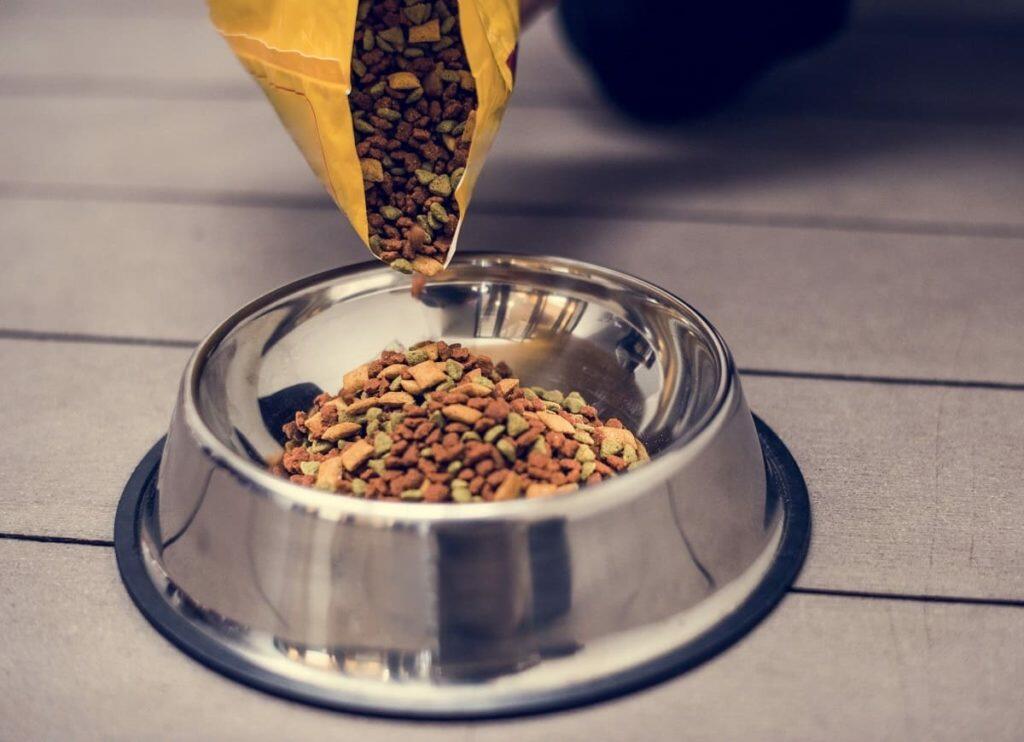
Dry cat food — or “kibble” — is the backbone of the majority of UK cat diets, and for good reason. It is convenient, economical, shelf-stable once opened, and can be left in a bowl for a cat to graze throughout the day without spoiling. However, the quality spectrum between cheap supermarket biscuits and premium grain-free dry food is enormous, and the differences genuinely matter for long-term feline health.
The most important metric when evaluating dry cat food is not the marketing language on the bag — it is the ingredient list. By law, ingredients are listed in descending order by weight. A quality dry food will have a named meat or fish as its first ingredient (e.g., “Chicken 35%”). A poor-quality food will have “cereals,” “maize,” or “wheat” as its first ingredient, meaning the product is primarily carbohydrate-based — an entirely inappropriate macronutrient profile for an obligate carnivore.
We’ve reviewed the UK’s best dry cat foods for 2026, ranking them across protein composition, ingredient transparency, palatability, and value per day of feeding.
How to Read a Dry Cat Food Label
- First ingredient: Should be a named meat. “Chicken” or “Salmon” is ideal. “Poultry meal” is acceptable. “Cereals” or “maize” as the first ingredient is a red flag.
- Protein %: Premium dry cat foods typically declare 35-45% crude protein on a dry matter basis. Anything below 28% is considered low-protein for a cat food.
- Carbohydrate content: Dry food is inherently higher in carbohydrates than wet food simply because starch is needed to form kibble shapes. Look for foods that use potato or peas rather than wheat or maize as their carbohydrate source.
- “Grain-free” vs “gluten-free”: These are not the same thing. Grain-free removes wheat, barley, and oats, but may still contain potato starch. Gluten-free specifically removes wheat gluten, which is the allergenic component. Most cats with grain sensitivities respond better to a switch to a named single-protein food than to any “grain-free” marketing label.
Quick Comparison: Best Dry Cat Foods UK 2026
| Brand & Product | Protein % | First Ingredient | Best For |
|---|---|---|---|
| Purizon Adult Chicken & Fish | 43% | Chicken (55%) | Overall best / High protein |
| Feringa Adult Dry | 40% | Rabbit (40%) | Grain-free / Single protein |
| Concept for Life all Cats | 38% | Chicken (30%) | Best mid-range everyday |
| Hill’s Science Plan Adult | 33% | Chicken | Vet-recommended / Sensitive cats |
| Royal Canin Cat Health Nutrition | 30% | Poultry meal | Indoor / Weight management |
Our Detailed Reviews: Top Dry Cat Foods for 2026
1. Purizon Adult Dry Cat Food — Best Overall
Purizon is a ZooPlus premium own-brand that has become one of the most highly regarded dry cat foods in the UK. It is completely grain-free, using a base of potato and tapioca starch rather than wheat or maize. The first ingredient in every Purizon Adult variety is a named meat — chicken, salmon, or turkey — at concentrations of 50-60%, which is genuinely exceptional for a kibble product.
Why we chose it: Very few mainstream dry foods can match Purizon’s meat content at its price point. The grain-free formulation and high digestibility make it suitable for sensitive stomachs, and the kibble shape and texture are accepted by even notoriously fussy cats.
2. Feringa Adult Dry Cat Food — Best for Single-Protein Diets
Feringa’s dry food line offers the same vet-recommended single-protein philosophy as their wet food range. Each bag contains a single named meat (rabbit, salmon, turkey, or venison) with zero cereal grains. This makes it the most appropriate choice if your cat has a confirmed or suspected food allergy and you need to control exactly which proteins they consume.
Why we chose it: The ability to feed a single, novel protein (particularly rabbit or venison, which most cats have never been exposed to) while maintaining dry food convenience is extremely valuable for cats on elimination diet protocols.
3. Concept for Life All Cats — Best Everyday Premium
Concept for Life offers an impressive balance of quality and value. The “All Cats” formula uses 30% chicken as its lead ingredient, supplemented with salmon oil for omega-3 fatty acids (supporting coat quality) and a carefully calibrated mineral balance to support urinary health. At its price point, it significantly outperforms comparable mainstream brands on meat content.
Why we chose it: It is the best “step up” from supermarket food without requiring a full budget commitment to ultra-premium brands. The “All Cats” formula is genuinely versatile — suitable for most healthy adult cats regardless of whether they are indoor or outdoor.
4. Hill’s Science Plan Adult — Best Vet-Recommended
Hill’s Science Plan is the brand most commonly recommended by UK veterinary professionals for healthy adult cats. While the meat content (approximately 30%) is not as high as premium grain-free brands, Hill’s has over 70 years of peer-reviewed nutritional research supporting their formulations, including specific ratios of calcium, phosphorus, and sodium calibrated for optimal kidney function in ageing cats.
Why we chose it: If your vet has recommended Hill’s, the Science Plan range represents the right balance of clinical backing and palatability for cats who have been healthy their entire life. For cats with specific conditions (obesity, kidney disease, diabetes), see the Hill’s Prescription Diet range at ZooPlus.
5. Royal Canin Indoor / Weight Care — Best for Specific Needs
Royal Canin’s strength lies in granularity. Their range includes specific formulas for indoor cats (lower calorie density for less active lifestyles), hairball control (high-fibre to facilitate the passage of ingested fur), and weight management (L-carnitine to support fat metabolism). While the ingredient lists are not as meat-forward as premium brands, the nutritional precision of each formula is unmatched.
Why we chose it: If your cat has a very specific lifestyle need — particularly if they are purely indoor, prone to hairballs, or already overweight — the Royal Canin formula designed for that need will outperform a generic premium kibble in addressing that specific challenge.
How Much Dry Food Should I Feed My Cat?
Unlike wet food, dry food is energy-dense. A typical adult cat (4kg, moderately active) requires approximately 200-250 kcal per day. For most quality dry cat foods, this equates to approximately 50-70g of kibble per day. Free-feeding (leaving kibble available at all times) works well for lean cats, but can lead to significant overconsumption in indoor cats with limited exercise.
We recommend using a kitchen scale for the first two weeks with any new kibble to calibrate your pouring and develop a reliable eye for correct portions. Overweight cats are dramatically more common than most owners realise — if you can no longer easily feel your cat’s ribcage when you run your hands along their flank, they are likely overweight.
Frequently Asked Questions
Can cats eat dry food only?
Yes, if the food is nutritionally complete. However, a 100% dry diet significantly reduces daily water intake, which increases the risk of urinary issues especially in males. We recommend supplementing with at least one portion of wet food per day for all cats, particularly males over 5 years old.
How long does dry cat food last once opened?
Most manufacturer guidelines suggest consuming within 4-6 weeks of opening. Store in an airtight container rather than the original bag — the bag allows air to gradually rehydrate the kibble and oxidise the fats, reducing palatability and nutritional value.
For complementing dry food with wet food, see our Best Wet Cat Food UK guide. For specific breed diets, see our Best Cat Food UK hub.
🐱 Recommended Dry Cat Food
We’ve hand-picked these products for you. As an affiliate, we may earn a commission if you purchase through our links, at no extra cost to you.