
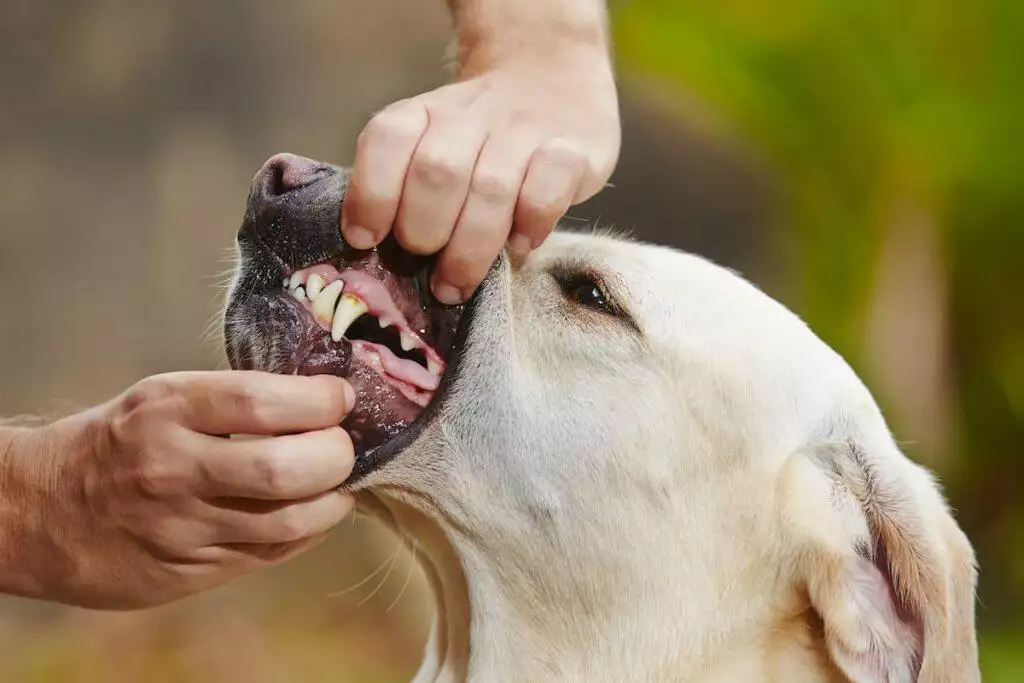
Dental disease affects up to 80% of dogs over the age of three, making regular tooth brushing one of the most impactful things you can do for your dog’s health. But human toothpaste is toxic to dogs — you need a formula that’s safe to swallow, effective against plaque, and ideally tasty enough that your dog tolerates (or even enjoys) the process. Here’s our guide to the best dog toothpaste in the UK for 2026.
Best Dog Toothpastes Compared
| Product | Type | Active | Flavours | VOHC Seal | Price |
|---|---|---|---|---|---|
| Virbac C.E.T. Enzymatic | Enzymatic paste | Dual-enzyme system | Poultry, beef, malt | No | £8-12 |
| Petsmile Professional | Paste | Calprox | Rotisserie chicken | Yes ✅ | £15-20 |
| Arm & Hammer Enzymatic | Enzymatic paste | Enzyme + baking soda | Beef, chicken | No | £4-6 |
| Vet’s Best Dental Gel | Gel | Enzymes + aloe + neem | Mint/natural | No | £5-8 |
| Beaphar Dual-Enzyme | Enzymatic paste | Dual-enzyme | Liver | No | £4-6 |
Top Dog Toothpaste Reviews
1. Virbac C.E.T. Enzymatic Toothpaste — Best Overall
Virbac C.E.T. is the most recommended dog toothpaste by UK vets. Its patented dual-enzyme system (glucose oxidase + lactoperoxidase) works with your dog’s saliva to break down plaque naturally. The non-foaming formula is safe to swallow — no rinsing needed. Available in multiple dog-friendly flavours (poultry is the most popular), making daily brushing more like a treat than a chore. At £8-12 per tube, it lasts 2-3 months of daily brushing.
2. Petsmile Professional — Best Clinical Results
Petsmile is the only dog toothpaste in the world to carry the VOHC (Veterinary Oral Health Council) Seal of Acceptance — meaning its effectiveness in reducing plaque and controlling tartar is clinically proven. Its unique Calprox formula dissolves the protein film that plaque attaches to. The rotisserie chicken flavour is irresistible to most dogs. Premium priced at £15-20, but the only option with independent clinical validation.
3. Arm & Hammer Enzymatic — Best Budget
The Arm & Hammer combines enzymatic cleaning with baking soda to neutralise odours and gently whiten teeth. It’s widely available in UK supermarkets and pet shops, making it the most accessible option. At just £4-6 per tube, it’s the most affordable quality toothpaste available. The beef flavour is particularly popular with dogs. A great choice for owners establishing a daily brushing routine.
How to Brush Your Dog’s Teeth
- Start slow — Let your dog taste the toothpaste from your finger for a few days
- Introduce the brush — Use a finger brush or soft-bristled dog toothbrush. Lift the lips gently
- Focus on the outer surfaces — The outside of the teeth accumulates the most plaque. Work in circular motions
- 2 minutes is ideal — But even 30 seconds is better than nothing
- Reward immediately — Follow brushing with a treat or play session
How often? Daily is ideal. The BVDA (British Veterinary Dental Association) recommends brushing at least 3 times per week. Once-daily brushing reduces plaque by up to 76% compared to no brushing.
What to Avoid in Dog Toothpaste
- Human toothpaste — Contains fluoride and xylitol, both toxic to dogs
- Foaming agents — Dogs can’t spit, so foaming pastes cause discomfort
- Artificial sweeteners — Xylitol is potentially fatal even in small amounts
- Abrasive whitening agents — Too harsh for canine enamel
Signs Your Dog Needs Dental Care
- Persistent bad breath (beyond “dog breath”)
- Yellow or brown tartar build-up on teeth
- Red, swollen, or bleeding gums
- Difficulty chewing or dropping food
- Pawing at the mouth
- Excessive drooling
If you notice any of these signs, book a dental check-up with your vet. Professional dental cleaning under anaesthetic typically costs £200-400 in the UK — regular brushing at home can prevent or significantly delay the need for this.
FAQs
Is dog toothpaste safe to swallow?
All dog-specific toothpastes are formulated to be safe to swallow — dogs can’t rinse and spit like humans. Enzymatic formulas like Virbac and Arm & Hammer continue working in the mouth even after swallowing. Never use human toothpaste on dogs, as it contains fluoride and potentially xylitol, which are toxic.
Can I use coconut oil instead of dog toothpaste?
Coconut oil has mild antibacterial properties and many dogs like the taste, so it can work as a basic alternative. However, it lacks the enzymatic action of proper dog toothpaste, meaning it won’t break down plaque as effectively. Use it as a stepping stone if your dog refuses conventional toothpaste, but transition to an enzymatic formula when possible.
My dog won’t let me brush their teeth — what can I do?
Start with enzymatic dental gels that you can apply with your finger — no brush needed. Dental chews (VOHC-approved options like Greenies or Whimzees) provide some plaque removal through mechanical chewing. Water additives add enzymes to your dog’s drinking water. None of these fully replace brushing, but they’re significantly better than nothing.