
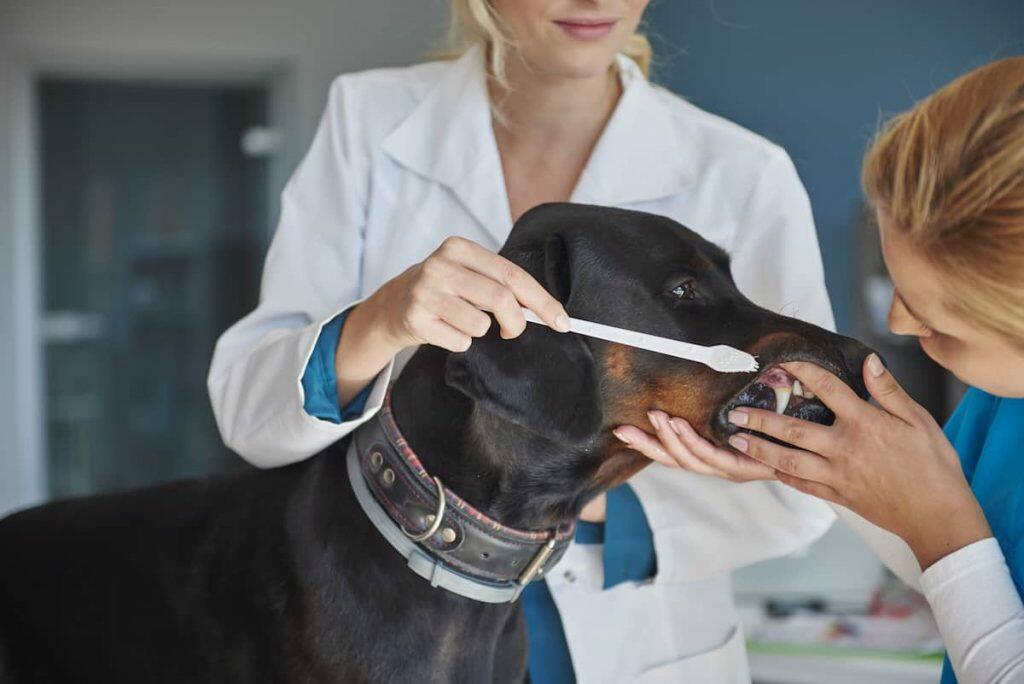
Choosing the right dog toothbrush is just as important as choosing the right toothpaste. The best brush depends on your dog’s size, temperament, and tolerance for dental care. In this updated 2026 guide, we compare the best dog toothbrushes available in the UK — from gentle finger brushes for nervous dogs to double-headed brushes for efficiency and electric options for thorough cleaning.
Best Dog Toothbrushes Compared
| Product | Type | Best For | Material | Price |
|---|---|---|---|---|
| Jasper 360 Finger Brush | Finger | Best overall | BPA-free silicone | £6-9 |
| Vet’s Best Finger Brush (5-pack) | Finger | Best value | Silicone | £5-7 |
| Bugalugs 360 Finger Brush | Finger | Best UK brand | BPA-free silicone | £4-6 |
| Virbac C.E.T. Double-Headed | Long-handle | Large dogs | Nylon bristles | £4-6 |
| Arm & Hammer Spinbrush | Electric | Thorough cleaning | Soft bristles | £8-12 |
Types of Dog Toothbrush Explained
Finger Brushes — Best for Beginners
Finger brushes slip over your index finger and feature soft silicone bristles. They give you maximum control over pressure and positioning — you can feel exactly where you’re brushing. Most dogs tolerate finger brushes more easily than traditional brushes because the experience feels more like being touched than having a foreign object in their mouth.
Best for: dogs new to brushing, nervous dogs, small breeds, puppies. Less effective for: back teeth in large breeds, heavy tartar buildup.
Long-Handle Brushes — Best for Large Dogs
Double-headed brushes have a large head on one end and a small head on the other, allowing you to switch between cleaning broad surfaces and reaching back molars. The long handle provides reach — essential for large and giant breeds where your finger can’t comfortably reach the back teeth.
Best for: medium to large dogs, confident brushers. Less effective for: very small dogs, nervous dogs.
Electric Brushes — Best for Thorough Cleaning
Electric dog toothbrushes use gentle vibrations to break up plaque more effectively than manual brushing. They’re excellent for dogs with existing tartar buildup and can reduce brushing time significantly. Some dogs are startled by the vibration initially — introduce it gradually (let them hear and feel it before putting it in their mouth).
Best for: experienced dogs, tartar buildup. Less effective for: anxious dogs, first-time brushers.
Top Dog Toothbrush Reviews
1. Jasper 360 Finger Brush — Best Overall
The Jasper 360 features bristles covering the entire finger tip in a 360-degree design, meaning you clean in every direction without repositioning. Made from BPA-free, phthalate-free silicone that’s gentle on sensitive gums. The 360-degree coverage means you can brush both sides of a tooth simultaneously. It’s earned a “Vet Verified Badge 2026” for its design. Adaptable to various finger sizes. At £6-9 for a multi-pack, it’s the most recommended finger brush by UK vets.
2. Vet’s Best Finger Brush (5-Pack) — Best Value
Vet’s Best finger brushes feature an abrasive bristle side for plaque removal and a pimple texture on the back for gum massage. They’re designed to work with Vet’s Best enzymatic dental gel for a complete care system. At £5-7 for a 5-pack, they’re the most affordable quality option — replace every 2-3 months for hygiene. Widely stocked at UK pet shops including Pets at Home.
3. Virbac C.E.T. Double-Headed — Best for Large Dogs
The Virbac brush pairs perfectly with their C.E.T. enzymatic toothpaste (sold separately). The dual-headed design means one brush suits all dog sizes — use the large head for front teeth and the small head for hard-to-reach molars. Soft nylon bristles are gentle on gums while effective against plaque. At £4-6, it’s excellent value for a professional-quality brush.
How to Choose the Right Brush
| Your Situation | Best Brush Type | Why |
|---|---|---|
| First time brushing | Finger brush | Least intimidating, maximum control |
| Small dog or puppy | Finger brush | Proportionate size, gentle |
| Large dog, experienced | Double-headed | Reach and coverage |
| Heavy tartar buildup | Electric | More effective plaque removal |
| Nervous or reactive dog | Finger brush | Feels like being touched, not brushed |
FAQs
How often should I replace my dog’s toothbrush?
Replace finger brushes every 2-3 months, or sooner if the bristles become flattened. Long-handle brushes last 3-4 months with daily use. Electric brush heads should be replaced according to manufacturer guidelines (typically every 3 months). Rinse thoroughly after each use and store in a clean, dry location.
Can I use a human toothbrush on my dog?
A soft-bristled human toothbrush can work in a pinch for medium to large dogs — the bristle softness is similar to pet-specific brushes. However, the head shape isn’t optimised for the canine mouth, making it harder to reach back teeth. For small dogs, a human brush is usually too large. Purpose-designed dog toothbrushes provide better results and are more comfortable for your pet.
My dog won’t tolerate any toothbrush — what now?
Start with enzymatic dental gel applied with your finger — no brush at all. Once your dog accepts finger-applied paste, transition to a finger brush. The key is making every step positive: short sessions, immediate treats, and never forcing the brush. If your dog truly won’t accept brushing after 4-6 weeks of gradual training, dental chews, water additives, and dental diets provide some plaque reduction — though none is as effective as brushing.