
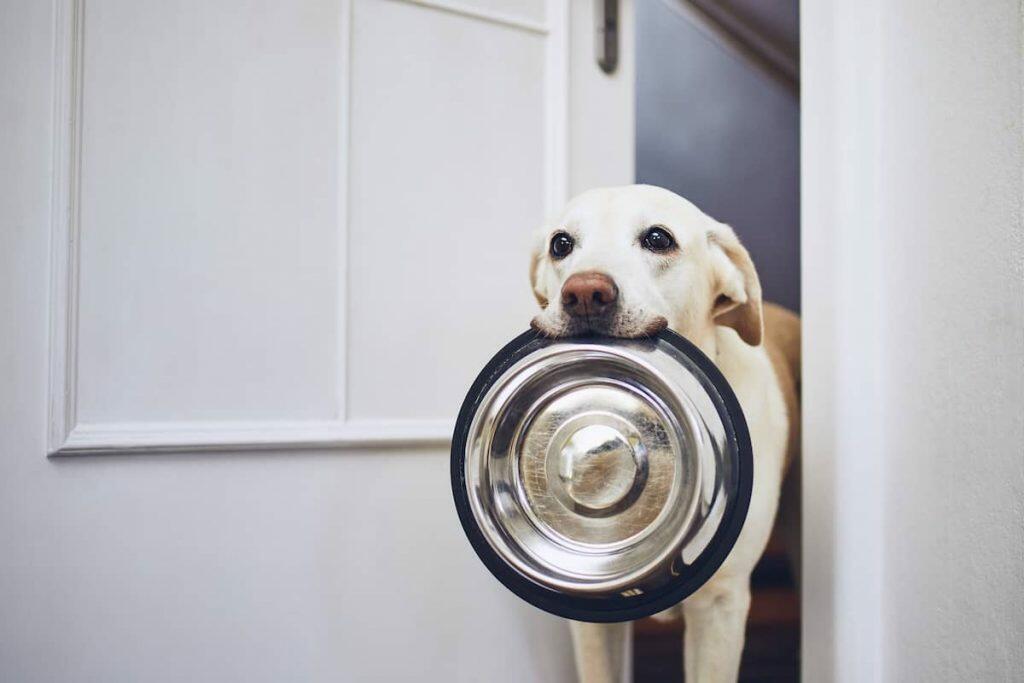
The humble dog bowl matters more than most owners realise. The wrong bowl can contribute to bloat (the number one killer of large breeds), encourage speed-eating, harbour bacteria, cause contact allergies, and slide across the kitchen floor during every meal. The right bowl promotes healthy eating pace, is hygienic, and suits your dog’s specific breed and size.
Bowl Materials Compared
| Material | Pros | Cons |
|---|---|---|
| Stainless steel | Most hygienic, dishwasher-safe, unbreakable | Can slide; check for non-slip base |
| Ceramic | Heavy (won’t slide), stylish | Can chip/crack; bacteria in cracks |
| Plastic | Lightweight, cheap | BPA risk, scratches harbour bacteria, can cause chin acne |
Recommendation: Stainless steel is the gold standard. Avoid plastic bowls — they scratch easily, creating micro-grooves where bacteria thrive, and some plastics leach BPA. Plastic bowls are also the most common cause of canine chin acne (contact dermatitis).
Should You Use a Slow Feeder?
If your dog finishes their meal in under 2 minutes, the answer is almost certainly yes. Speed-eating causes aerophagia (swallowing air), which increases bloat risk. Slow feeder bowls use raised ridges, mazes, or obstacles to force dogs to navigate around barriers, extending mealtimes to 5-10 minutes and providing mental stimulation.
Top slow feeder picks: OurPets DuraPet (stainless steel, VOHC-quality), Pup & Kit (UK brand, stylish inserts), Neater Pet Brands (simple for frustrated dogs).
For elevated feeding options, see our Best Raised Dog Bowl guide. For dental treats to complement mealtimes, see Best Dog Dental Chews.