
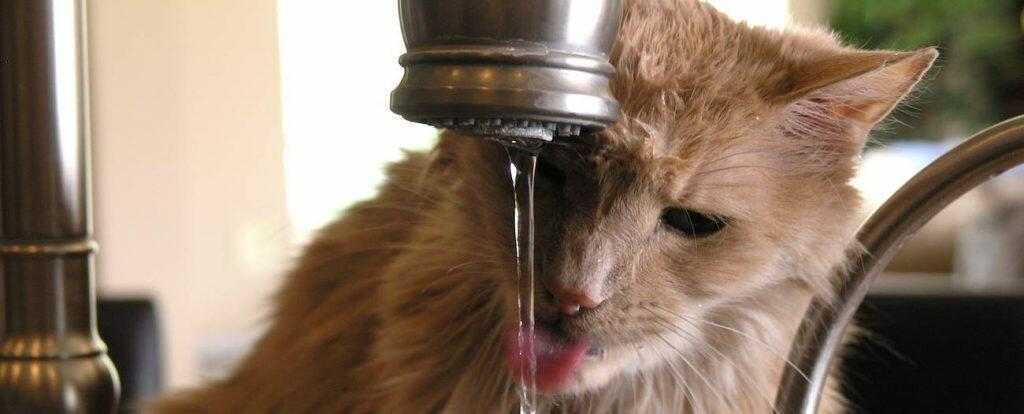
Cats are notoriously poor voluntary drinkers — a legacy of their desert-dwelling ancestry. Wild cats derive most of their hydration from prey moisture, and domestic cats retain this evolutionary bias: they are physiologically adapted to low water intake, which becomes a health liability when fed predominantly dry food. Chronic mild dehydration is the single largest modifiable risk factor for feline kidney disease and urinary tract problems — the two most common causes of veterinary visits in UK cats over 7 years old.
Water fountains exploit a simple behavioural preference: cats are attracted to moving water. Studies in feline behaviour consistently show that cats drink 30-50% more water from a fountain than from a static bowl. The circulating water stays fresher (reducing bacterial growth), is oxygenated (improving taste), and the movement itself triggers the cat’s natural curiosity and drinking instinct.
Fountain Materials: Ceramic vs Stainless Steel vs Plastic
- Ceramic: The gold standard for hygiene. Non-porous surface prevents bacterial biofilm formation and does not leach chemicals or absorb odours. Heavier (less likely to be knocked over by large cats) and dishwasher-safe. More expensive and can chip if dropped. Best for long-term use.
- Stainless Steel: Excellent hygiene (non-porous, dishwasher-safe), lighter than ceramic, virtually indestructible. Some cats dislike the metallic taste when the water level is low and water contacts the basin for extended periods. Best for multi-cat households where the fountain needs to handle higher throughput.
- BPA-Free Plastic: Lightest, most affordable, widest design range. However, plastic is microscopically porous — over time, scratches harbour bacteria that cannot be removed by washing, and some plastics can cause feline chin acne (contact dermatitis from bacterial accumulation on the plastic surface touching the chin). Best for budget-conscious owners who replace the fountain annually.
Quick Comparison: Best Cat Water Fountains UK 2026
| Product | Material | Capacity | Best For |
|---|---|---|---|
| Catit PIXI Smart Fountain | BPA-Free Plastic | 2L | Overall best / Smart features |
| PetSafe Drinkwell Ceramic Avalon | Ceramic | 2L | Best hygiene / Premium |
| Catit Flower Fountain (Stainless Steel) | Stainless Steel | 3L | Multi-cat / Durable |
| Cat Mate Shell Fountain | BPA-Free Plastic | 3L | Budget / Easy cleaning |
| PETKIT Eversweet Cordless | BPA-Free Plastic | 1.35L | Portability / No cables |
Our Detailed Reviews
1. Catit PIXI Smart Fountain — Best Overall
The Catit PIXI Smart is the most technologically advanced cat fountain on the UK market — connecting to your smartphone via the Catit PIXI app to track your cat’s drinking behaviour over time, alert you when the water level is low, and remind you when the filter needs changing. The triple-action filter (foam, carbon, and ion-exchange resin) removes hair, debris, and mineral deposits from the water.
Why we chose it: The drinking behaviour tracking is genuinely useful — changes in water intake are one of the earliest detectable signs of kidney disease and diabetes in cats. A fountain that alerts you to a sudden reduction or increase in drinking creates an early warning system that a static bowl cannot provide.
2. PetSafe Drinkwell Ceramic Avalon — Best Premium
The Ceramic Avalon is the hygiene-first choice. The non-porous ceramic basin and tower are dishwasher-safe and will not harbour bacteria in surface scratches — making it the fountain most frequently recommended by veterinary nurses for cats with a history of urinary issues or chin acne. The free-falling water stream provides the visual and auditory movement cue that attracts cats, and the 2-litre capacity is appropriate for single-cat or dual-cat households.
3. Catit Flower Fountain (Stainless Steel) — Best for Multi-Cat
The stainless steel version of Catit’s iconic Flower Fountain combines the eye-catching flower design with the superior hygiene of a steel basin. The 3-litre capacity is the largest in this review — essential for multi-cat households where multiple animals drink from the same source throughout the day.
Maintenance: Filters and Cleaning
The most common reason cat fountains fail is neglected maintenance. A fountain with a dirty filter or stagnant biofilm is worse than a clean static bowl. Follow these guidelines:
- Replace filters: Every 2-4 weeks depending on usage and water hardness. Hard water areas (most of southern England) require more frequent changes.
- Clean the fountain: Fully disassemble and clean every 1-2 weeks. Dishwasher-safe components (ceramic and steel) should go through a dishwasher cycle. Plastic components should be hand-washed and inspected for scratches.
- Clean the pump: The submersible pump collects hair and mineral deposits. Remove and clean monthly to maintain flow rate and reduce noise.
For complementary hydration support through food, see our Best Wet Cat Food UK guide — feeding wet food is the single most effective way to increase a cat’s total daily water intake.