
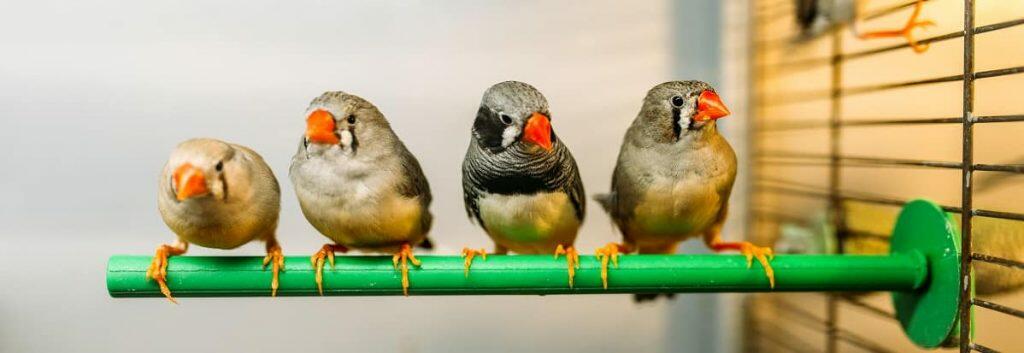
The right bird perch isn’t just somewhere for your bird to sit — it’s essential for foot health, exercise, and mental stimulation. Using the wrong type (or only one type) can lead to bumblefoot, pressure sores, and arthritis. Here’s our 2026 guide to choosing the best perches for your cage.
Best Bird Perches at a Glance
| Perch Type | Material | Best For | Foot Health | Price Range |
|---|---|---|---|---|
| Natural wood branch | Java, apple, willow, hazel | Primary perch (all species) | ★★★★★ | £5–£25 |
| Rope perch | Sisal, hemp, cotton | Older birds, arthritis comfort | ★★★★ | £4–£15 |
| Pedicure perch | Concrete, sand-coated | Nail trimming, beak conditioning | ★★★ (limited use) | £5–£12 |
| Platform perch | Wood, cork | Resting, sleeping, elderly birds | ★★★★ | £6–£18 |
| Heated perch | Metal + thermal element | Outdoor aviaries, winter warmth | ★★★ | £15–£30 |
Why Variety Matters
Avian vets recommend at least 3–4 different perch types in every cage. Here’s why:
- Uniform perches (identical dowels) force the same grip constantly — causing pressure points, calluses, and eventually bumblefoot
- Varied diameters exercise different foot muscles and tendons, mimicking how birds grip different branches in the wild
- Different textures (smooth bark, rough concrete, flexible rope) provide sensory enrichment and prevent boredom
Perch Sizing Guide
| Bird Size | Species | Perch Diameter |
|---|---|---|
| Small | Budgie, canary, finch | 10–15 mm |
| Medium | Cockatiel, conure, lovebird | 15–25 mm |
| Large | African grey, Amazon, eclectus | 25–40 mm |
| Extra large | Macaw, cockatoo, large toucan | 35–50+ mm |
Rule of thumb: Your bird’s toes should wrap about 75% around the perch without the front and back toes touching.
Safe vs Unsafe Wood
| ✅ Safe Woods | ❌ Unsafe / Toxic Woods |
|---|---|
| Apple, willow, hazel, birch, elm, ash, maple, sycamore, Java wood, manzanita, eucalyptus | Yew, cherry (contains cyanide compounds), oak (excess tannins), laburnum, cedar, redwood, pine (if treated) |
Our Top Pick: Natural Java Wood Perch
Java wood is the gold standard for bird perches. It’s exceptionally hard (resisting chewing even from macaws), has varied diameters along a single branch, and its natural bark texture promotes foot health. Java wood perches last years and look attractive in any cage. Available from Northern Parrots and Parrot Essentials in the UK.
Pedicure Perch Safety
Pedicure (concrete/sand) perches are useful for natural nail trimming, but:
- Should never be the only perch — prolonged contact causes sores
- Place near food/water bowls or as the highest sleeping perch for occasional use
- Choose designs with a smooth resting area alongside the rough surface
- Avoid sandpaper perch covers entirely — they abrade foot pads
Frequently Asked Questions
How many perches should a bird cage have?
At least 3–4 perches of different types, materials, and diameters. This provides exercise variety, foot health benefits, and mental stimulation.
Is rope safe for birds?
Sisal and hemp rope are safest. Cotton rope can fray into loose threads that may entangle toes or be ingested. Inspect rope perches regularly and trim any loose strands.
What size perch for a budgie?
Budgies need perches 10–15 mm in diameter. Standard plastic dowels are usually too uniform — replace them with natural wood branches of varying width.
Are pedicure perches safe?
Yes, when used as one of several perch types. They should not be the only perch. Choose ones with smooth resting areas and place them where the bird spends limited time.