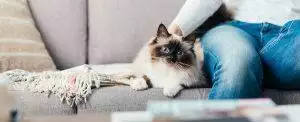
Your pet’s food bowl will be one of the most crucial pieces of equipment you purchase for them.
Not only do they have to be happy to eat out of it, but it also needs to be a hygienic environment. We wouldn’t like to eat off a dirty, scratched plate after all.
And while you may be thinking “But I clean my pets bowl every night!”, actually the material can have an effect on just how clean the bowl gets. There is a reason human plates aren’t commonly made out of plastic.
You’ve probably already guessed the worst material from that analogy alone, but below we are going to get into more detail about all of the different materials you can choose for a pet bowl, why some are better than others and why it is actually a crucial decision.
Which is the best material for a pet food bowl?
Pet food bowls come in so many different shapes, sizes and materials. For the latter point, you have a choice of:
- Plastic: Often the cheapest and most readily available option. Also easy for humans to pick up
- Stainless steel: The next cheapest and most easily available. Usually lightweight
- Ceramic: Often the most expensive option but can still be relatively low-cost. Heavy and can’t be moved by pets
- Melamine: A form of plastic, but it isn’t easy to scratch and is a lot stronger
For dogs
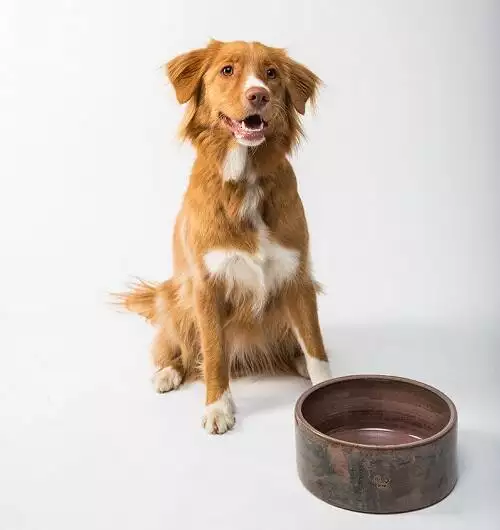
If you’re looking for a dog food bowl, the best options are ceramic or melamine.
Ceramic bowls will always win in our opinion. They are heavy so can’t be picked up and moved around by your dog. They are also simple to clean, like an ordinary human dish, with water and a bit of dish soap and rinsing well. With a flat smooth surface, you won’t miss any sections either.
Ceramic will also accept any type of food, so whether your dog has dry, wet or a little bit of human food with gravy, the ceramic won’t allow it to stick or start smelling.
Melamine is also recommended, although not as common. It is a form of plastic but is a lot stronger, resistant to wear and is actually used for some reusable plastic human plates and dishes as it is safe to serve food and liquid. If you buy your dog a slow feeder bowl, it will likely be made from melamine.
Stainless steel is also a great option. Because it is a raw material, no paint or chemicals will come off the bowl into the food, so for some, it is even better than ceramic. Most are dishwasher safe, and unlike ceramic, they are not easy to break so can be great if you’re worried about dropping them. It is lightweight, so dogs can pick them up and carry them.
Plastic is the one we would least recommend. Firstly, they may be lightweight which is great for humans to pick up and put down, but also easy for your dog to pick up. If you have a dog who is being a bit boisterous or simply is off their food, they could pick it up and scatter the contents everywhere!
Dogs can also pick the most random of items up in their mouths and run off with them. Slippers, socks, pillows and soft toys are common, but plastic bowls are also possible. Unfortunately, plastic is also very easy to chew. If you have a dog that is a bit of a chewer, the plastic could easily become damaged and cut their gums.
Plastic can also be scratched through general wear and tear, whether this is through dog food or teeth. The scratches can’t be cleaned and will harbour bacteria growth, especially if wet food is being used. Plastic can also retain the smell of old food.
A lot of dog owners are fans of a raised dog bowl. This can minimise the amount of air they take in when eating, as well as create a smoother passage for the food to pass down, reducing bloat. It puts less strain on the dog’s neck and spine bending down.
For cats
Again, plastic cat bowls are the cheapest option but they can absorb smells and stains. When we are talking about cat food, this could mean fish and other really strong scents that are hard to budge.
Unlike most dogs, cats can actually be deterred from eating or drinking food if it smells a bit ‘off’. So, a dish that smells like last week’s fish pate could really cause issues. Ceramic, melamine and stainless steel again are the better options.
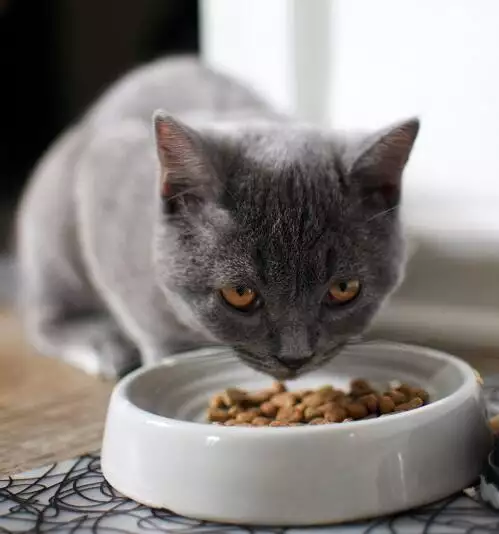
The most important aspect of a cat food bowl is that it has shallow sides. They don’t like their whiskers getting involved in their food, which is understandable. If their whiskers have to bend, it can cause discomfort. Short-faced breeds need something particularly shallow.
Try to use separate bowls. Cats don’t like their food next to their water, due to natural instincts. Water could become contaminated with food. Only use double bowls if your cat has wet and dry food at the same time. Also, don’t place them in high traffic areas or near litter trays!
Unlike dogs, a cat probably won’t pick up their bowl and run away with it or chew it. But they can still paw at it, so if this is the case for yours, you may want something heavy and made from ceramic.
Which material should I use for a pet water bowl?
All of the same information applies as above, although as a water bowl which has pretty neutral tasting contents, plastic could also be a possibility. However, we think using the same material as their food bowl often makes the most sense.
Stainless steel is really easy to keep clean but is lightweight, so may be an issue if your dog or cat plays with their water as it could be tipped over.
We have information about your cat’s drinking and water habits if you’re concerned they aren’t drinking enough. Something like a cat water fountain could solve this issue.
Related Reading
- The Rise Of Pet Technology
- Adopt A Senior Pet Month: Reasons To Give A Pet A Second Chance
- Jasmines Law: The Fight To End ‘No Pets’ Clauses
- Insect Pet Food: The Alternative To Meat?